
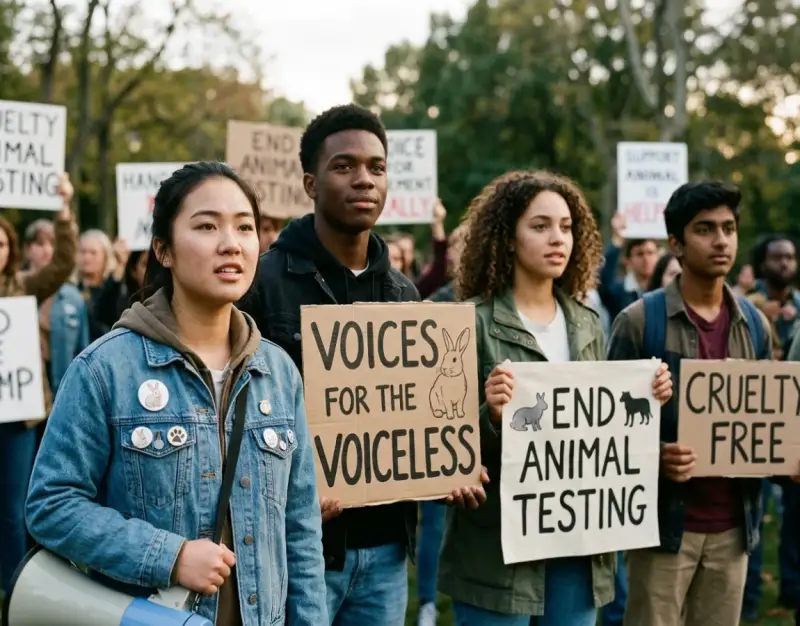
For generations, the complex and heavily guarded world of scientific experimentation stood behind locked doors, shielded by corporate NDAs, complex regulatory jargon, and the pervasive myth that animal testing was an unalterable necessity of modern medicine and consumer safety. But history teaches us that monumental paradigm shifts rarely originate from inside corporate boardrooms or complacent institutional committees. Instead, they ignite on the ground, catalyzed by individuals who refuse to inherit a broken status quo. Today, that fiery catalyst is being driven by a generation of youth who possess unprecedented digital literacy, a fierce global conscience, and an unshakeable commitment to empathy. As the global conversation around animal rights accelerates, teenagers across continents are stepping out of classrooms and into the international spotlight, transforming personal ethical convictions into systemic, structural change.
This dynamic wave of youth leadership is fundamentally reshaping what it means to advocate for cruelty free living and ethical corporate accountability. Armed with smartphones, social media algorithms, and a profound sense of global interconnectedness, these young leaders are dismantling decades-old corporate PR narratives in real time. They are exposing archaic laboratory practices, lobbying legislative bodies, and educating millions of peers about alternative methodologies that render animal subjects obsolete. This surging passion is not merely an isolated youth movement; it represents a cultural awakening. Much like the deep community healing explored in articles like The Compassion Contagion: Why Doing Good for Others Boosts Your Own Immune System, dedicating oneself to the protection of vulnerable creatures triggers a profound psychological transformation, fostering resilience, mental well-being, and a lifelong dedication to societal stewardship.
The core thesis of this movement is both simple and radical: cruelty cannot be justified by convenience, tradition, or outdated regulatory frameworks. As these voices of change gain momentum, established cosmetics conglomerates, pharmaceutical giants, and educational institutions are being forced to reckon with an empowered consumer base that demands absolute transparency. This comprehensive investigative report explores the mechanics of modern youth activism, profiles the trailblazing teenagers redefining global ethics, provides a strategic blueprint for effective advocacy, and outlines the monumental hurdles these young leaders must overcome to secure a truly cruelty-free world.
Understanding the Landscape of Animal Testing and Modern Ethics
The Historical Context and Current State of Animal Experimentation
To understand the magnitude of the work being done by contemporary youth leaders, one must first examine the historical architecture of animal testing. For over a century, regulatory frameworks established by government agencies mandated the use of animal subjects—primarily rodents, rabbits, dogs, and non-human primates—to assess the toxicity, safety, and efficacy of pharmaceuticals, chemicals, and consumer products. These protocols were built upon the assumption that biological responses in non-human mammals could reliably predict complex human physiological reactions. However, decades of advanced pharmacological research have revealed profound genetic and metabolic disparities between species, rendering many animal trials scientifically unreliable.
Despite these mounting scientific critiques, billions of animals continue to be subjected to painful, repetitive, and often lethal testing procedures globally every year. The inertia keeping these systems in place is sustained by deeply entrenched industry habits, regulatory conservatism, and multi-million-dollar supply chains that profit from the breeding and distribution of laboratory animals. Teen activists operating in this space must navigate this labyrinth of bureaucratic red tape, understanding not only the moral imperative of their mission but also the precise legal and scientific frameworks governing laboratory regulations.
The Rise of Advanced Non-Animal Alternatives
Simultaneously, the scientific landscape has evolved to offer sophisticated alternatives that outperform animal models in both accuracy and ethical compliance. Modern biomedical engineering has ushered in an era of organ-on-a-chip technology, three-dimensional human cell cultures, advanced computer modeling, and high-throughput screening systems. These innovations allow researchers to simulate human organ systems and disease states with unprecedented precision, utilizing human cells rather than generalized mammalian models.
Advocating for the elimination of animal testing requires more than emotional appeals; it demands scientific literacy. Today’s teenage changemakers are educating themselves on these technological breakthroughs, utilizing peer-reviewed literature to challenge corporate scientists on their own turf. By demanding the adoption of in vitro methods, quantitative structure-activity relationships (QSAR), and microfluidic devices, these young activists are shifting the debate from a philosophical disagreement to a pragmatic, scientifically superior alternative.
The Psychology of Empathy and Intersectional Activism
Youth activism rarely exists in a vacuum. The teenagers leading the charge against animal exploitation frequently view their work through an intersectional lens, connecting the plight of laboratory animals to broader global crises such as climate change, environmental racism, and systemic human rights abuses. This holistic worldview stems from an expansive definition of compassion that recognizes all living systems as deeply interconnected. When young people stand up for animals, they are simultaneously challenging extractive economic models that prioritize short-term profit over ecological and biological integrity.
Furthermore, this commitment to ethical living often mirrors other forms of community restoration and stewardship. Just as dedicated individuals work tirelessly to preserve our shared cultural memory—as documented in the inspiring chronicles of Restoring Forgotten Graves: Volunteers Who Clean Up and Honor Abandoned Cemeteries—youth activists view their defense of abused and forgotten laboratory animals as a moral duty to restore dignity where it has been systematically stripped away. This deep-seated empathy fuels an unstoppable drive that persists despite institutional pushback and fatigue.
Strategic Blueprint: How Teen Activists Are Driving Global Reform
Mobilizing Digital Platforms for Maximum Impact
The democratization of media has completely leveled the playing field between multi-national corporations and grassroots advocates. Teenagers today possess an intuitive understanding of digital ecosystems, leveraging short-form video platforms, decentralized social networks, and viral campaigns to mobilize millions of supporters within hours. Unlike traditional advocacy organizations that rely on expensive print campaigns and slow-moving PR pipelines, young activists deploy rapid-response digital strategies that force corporations into immediate public accountability.
Effective digital mobilization requires more than simply posting emotional imagery; it demands strategic narrative construction. Activists utilize data visualization, educational carousels, and interactive petitions to translate dense regulatory policies into digestible, shareable content. By gamifying consumer action—such as challenging followers to audit their own bathroom cabinets for certified cruelty-free products—these young leaders transform passive sympathizers into active participants in the global movement.
Lobbying Lawmakers and Spearheading Legislative Change
Digital outrage is a powerful catalyst, but sustainable reform ultimately requires structural, legislative permanence. Across the globe, teenage activists are stepping inside legislative chambers, delivering impassoned testimonies, and meeting directly with elected officials to advocate for bans on cosmetic testing and the sale of animal-tested goods. Campaigns such as the establishment of humane cosmetics acts in various international jurisdictions have frequently been propelled by youth-led lobbying coalitions.
To succeed in legislative advocacy, teen leaders must master the art of professional diplomacy. They collaborate with established legal experts, draft policy amendments, and organize coordinated letter-writing and phone-banking campaigns that swamp congressional switchboards. This rigorous approach demonstrates that youth activism is not merely symbolic protest, but a sophisticated, pragmatic political force capable of navigating complex legislative machinery.
Corporate Accountability and Consumer Boycotts
Economic pressure remains one of the most effective tools in dismantling abusive industrial practices. Teen activists excel at orchestrating targeted, highly coordinated consumer boycotts against brands that continue to fund unnecessary animal testing. By utilizing social media to expose parent companies, supply chain loopholes, and misleading "cruelty-free" marketing claims (often referred to as greenwashing), these activists cost non-compliant corporations millions in revenue and brand equity.
Beyond punitive boycotts, these youth leaders champion positive reinforcement by elevating ethical, certified cruelty-free brands. They partner with ethical entrepreneurs, indie cosmetic creators, and sustainable fashion labels to prove that commercial viability does not require animal suffering. Through conscious consumer guides and campus-wide education drives, they build robust local economies that permanently reject animal-tested commodities.
Real-World Case Studies and Scenarios in Youth Advocacy
Case Study 1: The Grassroots School Board Victory That Sparked a Statewide Ban
Consider the inspiring journey of Maya Lin, a high school junior from a suburban district who discovered that her school’s advanced biology curriculum mandated antiquated animal dissection labs using wild-caught specimens. Recognizing both the ethical violation and the availability of superior digital simulation software, Maya did not simply skip class; she launched an organized campaign.
The Strategy: Maya formed a student coalition, gathered over 1,500 signatures from her peers, presented cost-benefit analyses showing long-term savings from digital software licenses, and consulted with legal aid organizations specializing in student rights of conscience. The Result: After months of constructive dialogue and public school board meetings, the district voted unanimously to adopt a comprehensive dissection-choice policy. Buoyed by this victory, Maya partnered with regional animal rights NGOs, utilizing her local blueprint to successfully lobby state legislators for a statewide bill protecting students' rights to opt out of animal dissection.
Case Study 2: Exposing Greenwashing Through Viral Investigative Journalism
In another prominent scenario, a collective of teenage investigators known as the "Ethical Youth Syndicate" uncovered that a popular international skincare brand marketed as "cruelty-free" was secretly utilizing third-party contract laboratories in overseas jurisdictions where animal testing remained legally mandated for import approval.
The Pitfall avoided: Rather than making unverified claims that could invite defamation lawsuits, the teenagers spent four months meticulously filing public records requests, analyzing import manifests, and interviewing former laboratory whistleblowers. The Outcome: They published a comprehensive, heavily documented investigative report complete with undeniable documentary evidence. The resulting global backlash forced the parent corporation to drop its international distribution contracts, reform its supply chain verification processes, and adopt third-party auditing standards overseen by independent animal welfare organizations.
Critical Mistakes in Animal Rights Advocacy and How to Avoid Them
Even the most passionate and well-intentioned activists can stumble if their campaigns lack strategic discipline. Understanding common pitfalls is essential for achieving long-term impact without burning out or alienating potential allies.
- Relying Solely on Emotion Without Scientific Evidence: While emotional resonance is vital for capturing attention, sustainable policy change requires rigorous scientific backing. Activists who rely exclusively on graphic imagery without offering viable, scientifically validated alternatives often face dismissal from institutional decision-makers. Countermeasure: Always pair moral arguments with peer-reviewed scientific data, economic feasibility studies, and concrete technological solutions.
- Failing to Verify Corporate Claims (Greenwashing Traps): Accepting corporate labeling at face value can severely damage an activist group's credibility. Many brands utilize vague terms like "against animal testing" while their parent companies fund mandatory animal trials abroad. Countermeasure: Teach and apply strict verification standards, looking exclusively for recognized, independently audited certifications from reputable organizations like Leaping Bunny or Cruelty Free International.
- Isolating Potential Allies Through Rigid Purity Culture: Adopting an uncompromising, hostile tone toward consumers who are early in their journey toward ethical living can create barriers rather than bridges. Shaming individuals for past consumption habits alienates the very audience needed for mass movement building. Countermeasure: Cultivate an educational, welcoming culture that meets people where they are, celebrating incremental progress and fostering inclusive communities.
- Burnout from Overexposure to Graphic Content: Constantly consuming distressing footage of laboratory animals takes a severe psychological toll, often leading to compassion fatigue, anxiety, and eventual withdrawal from activism. Countermeasure: Establish strict mental health boundaries, practice collective care within activist networks, and intentionally balance exposure to suffering with active celebrations of victories and community bonding.
- Ignoring Local Legal Boundaries and Regulatory Compliance: Uncoordinated direct actions or protests held on private corporate property without legal clearance can result in arrests, heavy fines, and negative media framing that distracts from the core message. Countermeasure: Always consult with legal support networks, prioritize lawful advocacy methods such as lobbying, digital campaigning, and educational seminars, and ensure absolute adherence to local regulations.
Comparative Analysis of Activism Strategies and Methodologies
| Advocacy Strategy | Primary Mechanism | Reach & Speed | Sustainability & Impact | Ideal Application |
|---|---|---|---|---|
| Digital Social Campaigns | Viral video content, hashtags, algorithmic amplification, online petitions. | Massive global reach; extremely rapid response time. | Moderate short-term pressure; requires offline follow-up for permanence. | Exposing corporate greenwashing, rapid brand accountability, global awareness. |
| Legislative Lobbying | Direct meetings with lawmakers, policy drafting, committee testimonies. | Targeted and localized; slow-moving legislative timelines. | Extremely high; creates permanent, legally binding systemic reform. | Banning cosmetic testing, repealing mandatory animal testing laws, student rights. |
| Campus & Community Education | Workshops, documentary screenings, ethical consumerism guides. | Local community reach; steady, measured growth. | High cultural permanence; builds long-term generational shift in mindset. | Dissection alternatives in schools, promoting cruelty-free lifestyle choices. |
| Economic Boycotts | Targeted purchasing freezes, financial divestment from parent companies. | Scalable based on consumer participation; medium speed. | High financial impact; forces corporate bottom-line restructuring. | Targeting specific multi-national brands refusing to modernize testing protocols. |
Frequently Asked Questions About Teen Animal Activism
How can teenagers effectively balance intensive activism with academic responsibilities?
Balancing high-impact advocacy with schoolwork requires rigorous time management, prioritization, and efficient delegation. Successful student activists often integrate their passion projects into academic assignments—such as writing research papers on non-test alternatives or conducting science fair projects on cellular modeling. Furthermore, building collaborative collectives ensures that the burden of organizing is shared among a broader team rather than falling on a single individual, preventing academic burnout and maintaining sustainable engagement.
What are the most recognized certifications to look for when buying cruelty-free products?
Navigating product labels can be confusing due to unregulated marketing terms. The gold standard certifications globally include Leaping Bunny (administered by Cruelty Free International in Europe and the Coalition for Consumer Information on Cosmetics in North America) and PETA's cruelty-free bunny logo. These organizations require companies to submit to independent audits of their supply chains, ensuring that neither the finished product, its ingredients, nor its third-party suppliers engage in animal testing at any stage of development.
How do youth-led organizations fund their campaigns and educational initiatives?
Teen activists utilize a variety of creative, low-cost funding mechanisms to fuel their initiatives. Common funding streams include digital crowdfunding campaigns, community-based ethical merchandise sales (such as organic cotton apparel with animal rights messaging), school-sponsored club grants, and partnerships with established non-profit animal advocacy organizations that provide small micro-grants for grassroots youth projects. Financial transparency and rigorous bookkeeping are essential to maintain public trust and donor confidence.
Can students legally refuse to participate in animal dissection in high school biology classes?
Legal protections regarding animal dissection vary significantly by geographic region. In several states and countries, legislative "right-to-choose" or dissection choice laws protect students' rights to opt out of traditional dissection without academic penalty, provided they complete an equivalent alternative assignment (such as digital software modeling). Activists advise students to check local state statutes and consult with civil liberties or animal advocacy legal groups before formally requesting alternative accommodations from school administrators.
How can adults best support and amplify the voices of teen activists without overshadowing them?
The most effective role for adults—whether educators, parents, or seasoned professionals—is to act as supportive mentorship resources rather than controlling directors. Adults can assist by providing institutional access, offering legal and financial guidance, sharing professional networks, and amplifying youth-led messaging across established channels. By stepping back to let teenagers lead the narrative, adult allies empower the next generation to build authentic, long-lasting leadership capacity.
Strategic Roadmap and Final Takeaway
As we look toward the next two to five years, the landscape of animal testing and ethical consumerism is poised for unprecedented transformation. Driven by rapid advancements in artificial intelligence, cellular biology, and the unyielding moral clarity of a mobilized youth generation, the days of relying on archaic animal models are rapidly drawing to a close. Legislative bans on cosmetic testing are expanding globally, and consumer demand for absolute supply chain transparency has shifted from a niche market preference to an essential business requirement.
The inspiring work of teen activists proves that age is no barrier to creating monumental systemic change. Their courage, scientific literacy, and unwavering commitment remind us that protecting the vulnerable is not just a political choice, but a profound moral imperative that elevates the collective consciousness of humanity. Whether you are an educator, a parent, a student, or a conscious consumer, the path forward is clear: educate yourself, audit your daily choices, support youth-led initiatives, and demand a future where compassion triumphs over cruelty.
Be the first to share a gentle reflection on this story.