
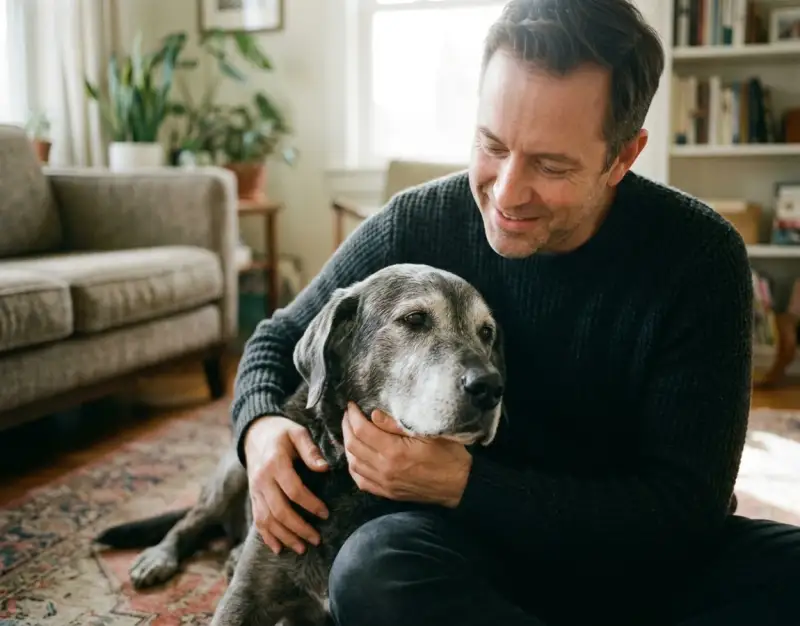
The amber glow of an autumn afternoon filters through the windows of a quiet suburban living room, illuminating a scene of absolute, unhurried tranquility. At the center of this domestic peace rests Barnaby, a ten-year-old Labrador Retriever mix whose muzzle is frosted with the dignified silver of advancing age. Just eighteen months ago, Barnaby’s world was starkly different: confined to the concrete floors and echoing corridors of a high-volume municipal animal shelter, his prospects for adoption were statistically grim. Labelled a "senior," he was routinely bypassed by families searching for bouncy puppies or adolescent dogs with endless energy. Yet today, Barnaby is the heartbeat of a household that cannot imagine life without him. His journey from an overlooked statistic to a cherished family member encapsulates the transformative power of older pet adoption—a movement that is steadily redefining our cultural understanding of companion animals.
Across the globe, animal welfare paradigms are shifting dramatically. For decades, shelters were dominated by a youth-centric culture that inadvertently cast older animals into the shadows of neglect. However, contemporary data from rescue organizations and animal behaviorists reveals a profound cultural pivot. Driven by a deeper collective understanding of the human animal bonds that sustain our emotional and psychological well-being, modern adopters are increasingly recognizing that older dogs offer an unmatched depth of companionship. This evolution in perspective is not merely a matter of sentimentality; it is rooted in tangible behavioral maturity, lower time commitments regarding foundational house-training, and an acute capacity for gratitude that seems uniquely pronounced in animals who have known the existential despair of losing a home.
Yet, welcoming a senior dog into your life requires more than just good intentions; it demands an educated, empathetic, and strategic approach to animal care. From navigating pre-existing health considerations to designing a home environment that accommodates aging joints, the commitment to senior dog rescue is both a profound privilege and a serious responsibility. When we examine the intersection of compassion, daily logistics, and veterinary science, we discover that caring for an older animal often mirrors our own journeys through life—teaching us patience, resilience, and the profound beauty of living entirely in the present moment. Much like the inner transformation explored in Burnout to Breakthrough: How Practicing Compassion Can Rescue Your Mental Health, opening your heart to a senior pet shifts your focus away from frantic striving and grounds you in restorative, unconditional love.
The Evolution of Animal Welfare and the Senior Dog Crisis
Understanding the Plight of Older Shelter Animals
To fully appreciate the scope of senior dog rescue, one must confront the stark realities of contemporary shelter systems. Animal shelters are inherently high-stress environments designed for short-term stays, not long-term residency. For senior dogs—frequently defined as canines in the final 25 percent to 30 percent of their expected lifespan, typically age seven and older—the shelter environment is profoundly detrimental. Chronic noise, concrete flooring, irregular feeding schedules, and a lack of individualized human contact can cause rapid physical decline and severe psychological deterioration in older dogs who were once accustomed to the stability of a couch and a regular family routine.
Statistically, older dogs face significantly longer length-of-stay metrics compared to puppies. This disparity is driven by persistent myths regarding medical costs, behavioral baggage, and a mistaken belief that an older dog cannot bond deeply with a new owner. Consequently, shelters are often forced to make heartbreaking triage decisions, pushing seniors to the front of the euthanasia queue simply due to space constraints. Recognizing this systemic crisis has fueled a grassroots revolution among animal welfare advocates, who champion older pet adoption not just as an act of charity, but as a vital rescue intervention that saves lives on the brink.
The Psychology of Modern Adoption Trends
In recent years, demographic shifts in pet ownership have catalyzed a massive rise in senior animal placements. Urban dwellers living in apartments, retirees seeking low-impact companionship, and empty nesters yearning for a meaningful connection have all turned their attention toward older dogs. This trend is deeply intertwined with our evolving comprehension of the human animal bonds that anchor modern urban life. People are increasingly seeking calm, emotionally intuitive companions who can integrate seamlessly into busy work-from-home schedules or quiet domestic routines without requiring the high-intensity exercise regimens demanded by working-breed puppies.
Furthermore, digital advocacy and transparent storytelling by rescue organizations have humanized senior shelter dogs. By highlighting individual personalities, quirky habits, and poignant backstory narratives rather than just age metrics, advocates have transformed public perception. Adopters no longer view a graying muzzle as a warning sign of impending grief, but rather as a badge of honor, representing a lifetime of love waiting to be shared. This cultural maturation marks a watershed moment in how society views aging within the animal kingdom.
Preparing Your Home and Heart for Senior Dog Rescue
Assessing Your Living Environment for an Aging Canine
Before bringing a senior rescue dog across your threshold, a comprehensive environmental audit of your living space is essential. Older dogs frequently experience the early stages of canine osteoarthritis, hip dysplasia, or diminished eyesight. Hardwood and tile floors, which pose no problem for a spry puppy, can become treacherous skating rinks for an aging dog struggling with traction. Installing non-slip runner rugs along primary indoor pathways, placing orthopedic memory foam beds in low-traffic, draft-free zones, and utilizing pet ramps for access to couches or elevated beds can radically improve your senior dog's daily quality of life.
Equally important is safety-proofing your home against sensory deficits. If your adopted senior is partially deaf or blind, sudden movements or loud noises can trigger startled reactions. Establishing consistent spatial boundaries using baby gates, keeping furniture layout predictable, and teaching family members to approach a resting dog with gentle verbal or tactile cues will foster an environment of profound security. Preparation transforms a daunting transition into a seamless, welcoming homecoming for a dog that has spent months or years in limbo.
Navigating the Emotional Realities of Short-Term Horizons
One of the most profound psychological hurdles prospective adopters face is the haunting realization that senior dogs have fewer years ahead of them than puppies. This anticipation of grief can act as a powerful deterrent, keeping well-meaning people from taking the plunge. However, experienced senior dog advocates reframe this narrative entirely. The time spent with an older rescue dog is not measured by quantity alone, but by the extraordinary quality of transformation that occurs when a neglected animal finally experiences safety and devotion.
Embracing a senior pet requires radical acceptance of the natural life cycle. It challenges us to step out of our comfort zones and practice a deep, resilient form of empathy. Just as community initiatives like Uplifting Communities: The Rise of Free Neighborhood Pantries and How-To Build One teach us to care for our neighbors in their immediate hours of need regardless of long-term uncertainties, adopting a senior dog is an investment in the present. You are offering an animal the golden chapter they always deserved, proving that every single day of comfort matters.
The Comprehensive Veterinary Blueprint for Senior Pet Health
Proactive Diagnostics and Preventive Care Protocols
Veterinary care for a senior rescue dog requires a shift from reactive treatment to proactive, preventative wellness management. When you first adopt an older dog, schedule a comprehensive geriatric screening with your veterinarian. This initial evaluation should include a complete blood count (CBC), serum chemistry profile, urinalysis, thyroid function testing, blood pressure measurement, and diagnostic imaging such as digital radiographs to assess cardiac silhouette, lung fields, and spinal or joint integrity.
Establish a baseline for your dog's physical health so that subtle deviations can be caught early. Senior dogs are particularly susceptible to chronic conditions such as renal disease, hepatic dysfunction, endocrine disorders like Cushing's disease or hypothyroidism, and various forms of neoplasia. Catching these conditions in their nascent stages through bi-annual wellness exams can add years of vibrant, pain-free life to your companion, ensuring that their golden years are characterized by comfort rather than distress.
Nutritional Optimization and Joint Support Strategies
Nutrition is the cornerstone of longevity for senior canines. As dogs age, their basal metabolic rate declines, muscle mass decreases, and organ systems demand specialized dietary support. Senior commercial diets or properly formulated veterinary prescriptions typically feature controlled phosphorus levels to protect kidney function, higher-quality, easily digestible proteins to preserve lean muscle mass without overworking internal organs, and enhanced antioxidant profiles to combat cellular aging.
In addition to dietary modifications, targeted nutraceutical supplementation plays a pivotal role in maintaining mobility. Joint supplements containing high concentrations of glucosamine hydrochloride, chondroitin sulfate, omega-3 fatty acids (specifically EPA and DHA derived from marine sources), and green-lipped mussel extract can significantly mitigate joint inflammation and cartilage degradation. Consulting with a veterinary nutritionist ensures that your senior dog receives a bespoke dietary plan tailored precisely to their metabolic and orthopedic needs.
Decoding Behavior, Enrichment, and Mental Health in Older Dogs
Managing Cognitive Dysfunction and Sensory Decline
As dogs advance into their senior years, behavioral shifts are frequently observed that mirror human cognitive aging, collectively known as Canine Cognitive Dysfunction (CCD), or doggy dementia. Symptoms can include disorientation in familiar spaces, altered sleep-wake cycles, pacing, staring blankly at walls, loss of house-training habits, and changes in social interaction. Recognizing these behaviors as physiological rather than willful disobedience is critical for maintaining a harmonious human-animal bond.
Environmental enrichment is a powerful tool in slowing the progression of cognitive decline. Puzzle feeders, snuffle mats, gentle scent-work games, and regular, predictable daily routines stimulate neural pathways and keep an older brain active. Furthermore, veterinary interventions such as specialized diets enriched with medium-chain triglycerides (MCTs) and prescription medications can dramatically improve cognitive function and restore a sense of calm and clarity to your senior companion.
Patience, Decompression, and Building Trust
Bringing a senior rescue dog home demands an understanding of the "3-3-3 Rule" of adoption: three days to decompress, three weeks to learn the routine, and three months to feel completely at home. Older dogs often carry deeply ingrained habits or invisible emotional scars from previous abandonments. During the initial weeks, prioritize quietude and routine over socialization and outings. Let the dog dictate the pace of physical affection.
Patience during this transitional phase lays the bedrock for unshakeable trust. When an older dog realizes that food is reliable, water is always accessible, and human hands are exclusively sources of gentle touch rather than fear, a profound transformation occurs. Their eyes soften, their posture relaxes, and they begin to display the whimsical, joyful personality that had been suppressed by months or years of shelter deprivation.
Financial Planning, Hospice Care, and the Art of Letting Go
Budgeting for Senior Pet Healthcare Realities
Honesty regarding the financial realities of senior dog rescue is an ethical imperative for any prospective adopter. Older animals inherently require more frequent veterinary visits, specialized diets, prescription medications, and potentially mobility-assisting equipment like carts or slings. Establishing a dedicated pet emergency savings account or investigating specialized pet insurance policies that cover pre-existing or chronic conditions is a vital preparatory step.
Smart financial planning removes the stress from veterinary decision-making, ensuring that treatment options are chosen based on your dog's quality of life rather than arbitrary monetary constraints. Many veterinary clinics and non-profit rescue networks also offer specialized senior pet wellness grants or payment plans, making high-level geriatric care accessible to dedicated owners across diverse economic backgrounds.
Compassionate End-of-Life Planning and Hospice Care
The ultimate act of love in senior dog rescue is navigating the twilight of their lives with grace, dignity, and unwavering compassion. Canine hospice, or palliative care, focuses entirely on maximizing comfort and minimizing pain during a terminal illness or the natural end of life. This involves close collaboration with veterinarians specializing in pain management, palliative nursing, and home-euthanasia services.
Recognizing quality-of-life indicators—such as the ability to enjoy meals, interact with family members, move without unmanageable pain, and maintain basic hygiene—guides the difficult decisions every pet parent eventually faces. Embracing this final chapter with courage ensures that your beloved senior dog slips away surrounded by the warmth, safety, and profound love of the home you so generously provided.
Comparative Analysis of Dog Adoption Categories
| Adoption Metric | Puppy Adoption | Adult Dog Adoption | Senior Dog Rescue |
|---|---|---|---|
| Initial Training Required | Extensive (house-training, bite inhibition, leash manners) | Moderate (refinement of basic obedience) | Minimal (often fully house-trained and socially adaptable) |
| Energy & Exercise Demand | High (frequent play sessions, intense activity needs) | Moderate to High (depends heavily on breed) | Low to Moderate (short walks, ample resting time) |
| Shelter Vulnerability Risk | Low (high adoption demand) | Moderate (average length of stay) | Critical (highest risk of prolonged confinement or euthanasia) |
| Veterinary Cost Profile | Initial vaccination series, spay/neuter surgery | Routine wellness, occasional unexpected issues | Higher ongoing geriatric screening, joint care, and medication |
| Emotional Bonding Speed | Gradual as personality develops | Steady integration over weeks | Immediate, profound gratitude and intense loyalty |
Frequently Asked Questions About Senior Dog Rescue
Are senior dogs harder to train than puppies?
Paradoxically, senior dogs are often significantly easier to live with than puppies. While puppies require intensive, round-the-clock house-training, teething management, and socialization, most senior dogs already understand basic household etiquette, are house-trained, and possess settled temperaments. Furthermore, older dogs have longer attention spans and can focus during training sessions, making them exceptionally receptive to positive reinforcement methods designed to teach them new household routines.
How do I introduce a senior rescue dog to existing pets?
Introductions should always be conducted slowly and in neutral territory if possible. For senior dogs, who may have compromised hearing, vision, or aching joints, sudden approaches by boisterous resident pets can cause defensive reactions. Allow animals to sniff exchanged bedding before a face-to-face meeting, keep initial encounters brief and closely supervised, and ensure your senior dog has a secure, quiet sanctuary room to retreat to whenever social stimulation becomes overwhelming.
What are the most common health issues in older rescue dogs?
The most frequently encountered medical conditions in senior rescue dogs include osteoarthritis, dental disease (which can significantly impact systemic organ health if left untreated), declining sensory acuity (vision and hearing loss), kidney or liver function decline, and benign or malignant skin masses. Regular veterinary screenings and proactive dental cleanings can successfully manage these conditions and ensure a high quality of life.
Will a senior dog adapt to a busy family schedule?
Yes, senior dogs are remarkably adaptable. Because their own energy levels are typically lower, they are generally content to rest quietly while family members are at work or school. When the household reconvenes in the evening, senior dogs are thrilled to participate in low-key family activities, couch cuddles, and gentle walks, making them ideal companions for modern, fast-paced households seeking balance.
How can I manage veterinary costs for an adopted senior dog?
Managing senior veterinary costs requires a proactive strategy. Prioritize setting aside a dedicated emergency veterinary fund, research pet insurance policies that accept older animals (though premiums may be higher), and talk with local rescue organizations about veterinary discount partnerships or clinics that offer specialized geriatric care packages. Practicing rigorous preventative care also prevents minor issues from escalating into expensive medical emergencies.
Strategic Roadmap and Final Takeaway
As we look toward the future of animal welfare over the next two to five years, the cultural narrative surrounding older pets is poised for a massive renaissance. Driven by aging human populations, advances in veterinary geriatric medicine, and digital platforms that amplify individual animal stories, senior dog rescue is transitioning from a niche act of charity into a mainstream movement of choice for discerning pet parents. Communities are realizing that the golden years of a dog's life offer an unparalleled window into unconditional love, teaching us lessons in patience, resilience, and compassionate stewardship.
Your strategic next step is simple yet transformative. Reach out to local animal shelters or dedicated senior rescue networks in your region, volunteer as a foster home for an older dog, or open your permanent hearth to a gray-faced companion waiting quietly behind shelter bars. By choosing older pet adoption, you do not merely change the trajectory of an animal's life—you enrich your own existence with a profound, steadfast loyalty that only a seasoned dog can provide.
Be the first to share a gentle reflection on this story.