
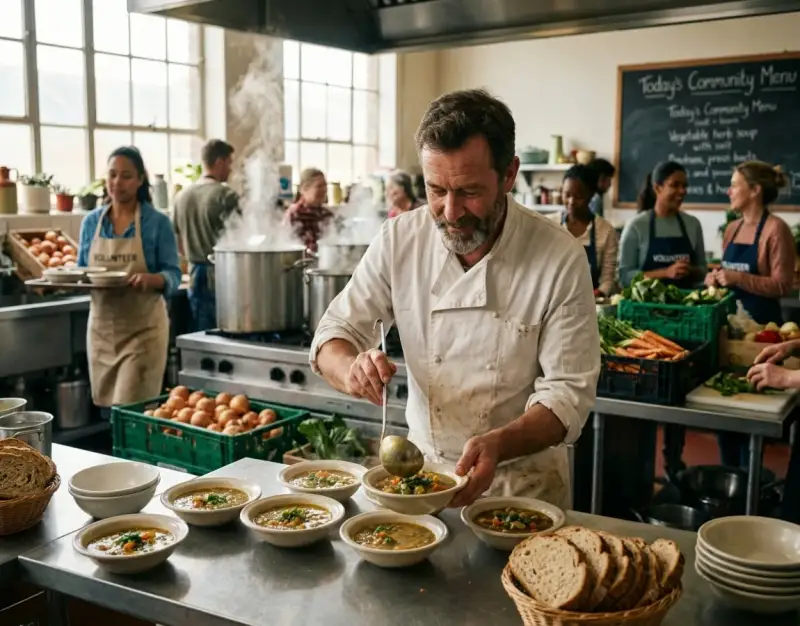
In the quiet hours before dawn, the alleyways behind the world’s most celebrated culinary institutions usually smell of roasting bones, truffles, and the quiet anticipation of service. But in a shifting paradigm of gastronomy, a new kind of dawn is breaking across urban centers globally. Imagine a pass lined not with silver tweezers and delicate microgreens, but with stainless-steel vats steaming with rich, deeply nourishing bone broths destined for community shelters. This is the radical evolution of fine dining—a movement where white tablecloths meet food rescue trucks, proving that culinary genius and social consciousness are not mutually exclusive.
This seismic shift sits at the very heart of the contemporary voices of change narrative. For decades, the fine-dining industry operated within an insular bubble of exclusivity, luxury, and astronomical resource consumption. However, mounting ecological crises, widening wealth disparities, and a cultural demand for authentic corporate social responsibility have catalyzed a profound reckoning. Chefs who once chased elusive stars and luxury ingredients are now turning their multi-million-dollar setups, deep supply chain networks, and world-class technical skills toward addressing food insecurity. They are proving that high-end execution does not require waste; rather, precision can be democratized to feed the vulnerable with dignity.
At Caring Connections, we often examine how societal healing takes unconventional forms, much like our exploration of Collaborative Welfare: Pairing Senior Mentors With At-Risk Youth for Life-Changing Guidance, which highlights intergenerational bridges. Similarly, the transformation of elite kitchens into hubs of nutritional equity builds structural bridges across socioeconomic divides. This comprehensive investigative report unpacks the mechanics, strategic blueprints, real-world case studies, and critical pitfalls of culinary philanthropy, offering a definitive roadmap for how high-gastronomy can permanently alter the landscape of public nourishment.
Foundational Principles and Mechanics of Culinary Philanthropy
To understand how a Michelin-starred kitchen pivots to mass community feeding, one must first deconstruct the mechanics of high-end operations. A fine-dining kitchen is a hyper-efficient, military-grade production machine designed for minute-by-minute execution. Ingredients are rigorously portioned, trim is meticulously managed, and equipment is calibrated for precision. When this machinery is redirected toward celebrity chefs charity initiatives, the transformation is not merely charitable; it is structural and operational optimization applied to social good.
At its core, culinary philanthropy operates on three foundational pillars: supply-chain redirection, technical equity, and dignity-centered service. Supply-chain redirection involves intercepting surplus high-end ingredients—foods that are entirely pristine yet fail aesthetic market standards or exceed weekly restaurant pars—before they enter municipal waste streams. Instead of letting prime cuts of meat or organic heirloom vegetables rot in storage, participating chefs route these resources into daily community meal production, bridging the gap between abundance and scarcity.
Technical equity addresses the quality deficit historically associated with emergency food assistance. For decades, soup kitchens have relied on heavily processed, sodium-laden, donated shelf-stable goods. Gourmet soup kitchens flip this paradigm completely by applying classical French mother sauces, slow-braising techniques, and professional flavor-building to surplus food. The result is a nutritionally dense, culturally respectful meal that honors the recipient. This approach recognizes that nourishment is not just about caloric intake, but about psychological well-being, a concept closely tied to the emotional rewards explored in studies on Kindness & Mental Health: Why Expressing Gratitude Rewires Your Brain for Happiness.
Step-by-Step Strategic Blueprint for Transforming Fine Dining Kitchens
1. Auditing the Supply Chain and Establishing Rescue Partnerships
The first operational step in converting an elite restaurant into a community-feeding engine is conducting a rigorous supply chain audit. Chefs must map every incoming ingredient, tracking volume, waste percentage, and vendor overstock patterns. By identifying exactly where surplus occurs—such as seasonal gluts from boutique farms or miscalculated weekend covers—kitchens can establish predictable pipelines for rescue ingredients.
Next, partnerships must be forged with regional food rescue networks, local distribution hubs, and organic purveyors. These agreements legally protect the restaurant under Good Samaritan food donation laws while establishing cold-chain logistics to transport perishable luxury goods safely. Insider tip: Cultivate direct relationships with boutique farmers rather than relying solely on large brokers; direct communication allows you to claim excess crops that would otherwise be plowed under due to cosmetic blemishes.
Finally, implement a digital tracking dashboard within the kitchen's inventory system. Tagging items designated for charity versus commercial service ensures accountability, prevents cross-contamination risks, and provides verifiable impact metrics for donors, granting agencies, and the public eye.
2. Redesigning Workflow and Kitchen Infrastructure
Adapting a kitchen built for delicate plating to handle bulk soup and community meal production requires creative spatial reconfiguration. Michelin-star kitchens are often notoriously compact, engineered for speed over volume. Chefs must restructure their prep schedules, carving out dedicated time slots—typically off-hours like Monday and Tuesday afternoons—when the brigade pivots entirely from service preparation to philanthropic production.
Equipment utilization must also evolve. Blast chillers, steam-jacketed kettles, and large combi-ovens become the workhorses of the charity operation. Recipes are scaled up using classical ratios, transforming a single duck breast garnish into a rich, protein-packed potage that can feed dozens. The focus shifts from individual plating to high-capacity, sanitary vacuum-sealing and blast-chilling for safe transport.
Staff buy-in is critical during this phase. Executive chefs must engage their line cooks and sous-chefs not as overworked laborers, but as active participants in a moral mission. When brigade members understand that their knife skills are directly mitigating local hunger, morale, retention, and creative engagement soar to unprecedented heights.
3. Formulating Nutrient-Dense, Dignity-Driven Menus
The culinary philosophy of a gourmet soup kitchen must reject the historical charity model of "food as disposal." When designing menus for vulnerable populations, chefs must prioritize caloric density, micronutrient balance, and cultural familiarity. A bowl of soup should not be watery broth with sparse remnants; it must be a complete, restorative meal rich in proteins, complex carbohydrates, and essential fats.
Utilize classical culinary architecture to stretch expensive proteins without sacrificing flavor. For instance, utilizing bones, cartilage, and connective tissues from fine-dining prep yields gelatin-rich broths loaded with collagen and minerals. Vegetables that are slightly bruised are trimmed, roasted deeply to caramelize natural sugars, and puréed into velvety, comforting bisques.
Moreover, presentation matters profoundly. Serving meals in clean, sturdy containers with clear ingredient labeling restores a sense of agency and respect to the recipient. When people experiencing homelessness or housing insecurity receive a meal crafted with the same technical rigor as a voices of change tasting menu, it communicates an unmistakable message: You matter.
4. Securing Sustainable Funding and Philanthropic Grants
While utilizing surplus food drastically reduces input costs, running a dedicated community kitchen operation incurs overhead related to packaging, utilities, transportation, and specialized labor. Relying solely on restaurant profits is rarely sustainable long-term. Therefore, chefs must establish parallel non-profit structures or fiscal sponsorships to attract philanthropic capital.
Leveraging media attention is a powerful catalyst for funding. By inviting journalists, documentary filmmakers, and cultural critics to document the transition, restaurants can build immense brand equity that attracts high-net-worth donors and corporate sponsors. Craft compelling pitch decks that highlight quantifiable metrics: cost per meal, pounds of food rescued from landfills, and nutritional outputs delivered to marginalized zip codes.
Furthermore, explore municipal grants dedicated to food security, urban sustainability, and waste reduction. Local governments increasingly look to innovative culinary leaders to solve urban crises, and public-private partnerships can yield substantial subsidies, tax incentives, and logistical support.
5. Cultivating Community Partnerships and Distribution Networks
A gourmet meal cooked to perfection is useless if it never reaches the mouths of those who need it most. The final operational pillar requires building impenetrable distribution networks rooted in trust and accessibility. Restaurants should partner directly with grassroots community centers, neighborhood churches, after-school programs, and housing shelters that have deep, existing relationships with vulnerable populations.
Avoid top-down distribution models that force recipients to stand in humiliating, stigmatized lines. Instead, work with community leaders to design dignified distribution points, such as pop-up markets, community center sit-down dinners, or discreet meal-pickup lockers. Integration with therapeutic programs—such as organizations that support veterans dealing with trauma, reminiscent of the healing spaces detailed in Human-Animal Bonds: The Horse Sanctuary That Heals Veterans Suffering From PTSD—can provide holistic care where nutrition meets emotional support.
Establish feedback loops with community recipients. Conduct regular, anonymous surveys asking about flavor profiles, portion sizes, and dietary needs. This ensures the culinary program remains responsive, respectful, and genuinely helpful rather than imposing external assumptions onto the community.
Real-World Case Studies: Triumph Versus Collapse in Culinary Philanthropy
To truly grasp the dynamics of transforming elite kitchens, we must examine real-world deployments—both the extraordinary triumphs and the instructive collapses. Consider the trajectory of *L’Étoile Solidaire*, a fictitious yet structurally realistic three-star Parisian establishment that transitioned its operations during urban lockdowns. Under the leadership of Chef Julien Laurent, the restaurant converted 50% of its prep capacity into producing gourmet vacuum-sealed soups and stews for Parisian housing projects.
Laurent’s success hinged on three operational choices: he utilized existing restaurant supply chains to secure high-end surplus from Rungis International Market, he engaged his brigade on rotating shifts to prevent burnout, and he partnered with local neighborhood associations to ensure discreet, respectful distribution. Within eighteen months, the kitchen rescued over 40 tons of prime ingredients, distributed 120,000 nutrient-dense meals, and actually saw an *increase* in its commercial patronage as diners flocked to support an establishment with unassailable social ethics.
Conversely, consider the cautionary tale of *Aura Gastronomy*, an ambitious Michelin-aspiring venture in North America that attempted a similar pivot without adequate infrastructural planning. Eager for immediate headlines, the chef announced a daily free gourmet soup kitchen without securing long-term supply chain partnerships or municipal food-handling permits for mass distribution.
Within three months, Aura collapsed under the weight of its own hubris. The kitchen staff suffered severe burnout from trying to execute a 14-course tasting menu at night while prepping 500 liters of soup during the day without additional labor. Furthermore, inconsistent surplus deliveries led to erratic menu execution, and the lack of proper distribution channels resulted in massive food spoilage. The venture faced public backlash for wastefulness, ultimately forcing the restaurant into bankruptcy. The lesson is stark: culinary philanthropy requires cold-hard logistical precision, not just romantic idealism.
Critical Mistakes and How to Avoid Them
When high-end culinary operations attempt to venture into mass humanitarian feeding, hubris and inexperience often pave the road to failure. Here are the five most costly mistakes practitioners make and how to systematically avoid them.
- Mistake 1: Treating Charity as a Waste-Disposal Bin. Using spoiled, borderline, or rotting ingredients under the guise of "reducing waste" is dangerous and unethical. Countermeasure: Adhere strictly to the golden rule of food rescue: if you wouldn't serve it to a paying guest in your main dining room, do not serve it to a community member. Quality and safety are non-negotiable.
- Mistake 2: Failing to Account for Labor Burnout. Forcing an existing kitchen brigade to double their output without expanding the team or altering shifts leads to catastrophic staff exhaustion and turnover. Countermeasure: Build a dedicated philanthropic arm with volunteer pipelines, culinary school interns, or specialized staff funded through grants and donations.
- Mistake 3: Ignoring Regulatory and Liability Frameworks. Distributing food outside the controlled environment of a restaurant exposes operations to health code violations and liability risks. Countermeasure: Consult legal counsel specializing in the Bill Emerson Good Samaritan Food Donation Act, secure proper mass-feeding permits, and maintain rigorous HACCP logs for every batch produced.
- Mistake 4: Imposing Paternalistic Menus. Cooking what *you* think poor people should eat—such as overly esoteric experimental dishes—without consulting community preferences leads to food waste and alienation. Countermeasure: Conduct community focus groups, respect cultural dietary staples, and prioritize comforting, nutrient-dense classics.
- Mistake 5: Relying Solely on Transient Hype. Launching a project fueled purely by social media trends without a sustainable financial or operational model leads to rapid collapse when the spotlight fades. Countermeasure: Institutionalize the philanthropic wing into the business model from day one, establishing diversified revenue streams, endowments, and permanent community partnerships.
Comprehensive Comparison Table: Traditional Soup Kitchens vs. Gourmet Culinary Philanthropy
To highlight the structural differences between conventional emergency food relief and modern culinary philanthropy, review the comparative analysis below:
| Metric / Feature | Traditional Emergency Soup Kitchen | Gourmet Culinary Philanthropy Model |
|---|---|---|
| Ingredient Sourcing | Shelf-stable canned goods, low-cost commodity items, sporadic surplus donations. | High-end restaurant surplus, organic farm gluts, premium proteins rescued from luxury supply chains. |
| Culinary Execution | Basic institutional cooking; high sodium, heavy reliance on processed bases. | Classical technique, scratch-made broths, professional flavor profiling, high micronutrient density. |
| Dignity & Presentation | Often stigmatizing long lines, institutional cafeteria trays, minimal aesthetic care. | Respectful packaging, cultural alignment, beautifully prepared meals fostering psychological well-being. |
| Staffing & Labor | Primarily volunteers with minimal culinary training, sporadic reliability. | Professional brigade mentorship, culinary students, structured shifts ensuring high safety standards. |
| Nutritional Output | Focused strictly on basic caloric intake to stave off immediate hunger. | Focused on holistic nutrition: proteins, complex carbs, collagen-rich broths, and dietary customizability. |
Frequently Asked Questions About Culinary Philanthropy
How do Michelin-starred restaurants manage the liability of donating prepared food?
In many jurisdictions, including the United States, federal and state legislation—such as the Bill Emerson Good Samaritan Food Donation Act—protects restaurants and food donors from civil and criminal liability when food is donated in good faith to a non-profit organization. However, kitchens must still adhere to strict food safety protocols, including proper temperature control, rapid cooling using blast chillers, and accurate date labeling. Partnering with certified food rescue organizations helps ensure that all legal and sanitary compliances are met seamlessly before distribution.
Doesn't converting a fine-dining kitchen to charity dilute its brand prestige?
Historically, luxury brands feared that associating with poverty or charity might cheapen their image. However, modern consumer psychology has shifted dramatically. Today's discerning diners—particularly younger generations—deeply value authenticity, environmental sustainability, and radical corporate social responsibility. When executed with high technical rigor and genuine intent, culinary philanthropy enhances a restaurant’s cultural authority, earning deep loyalty from patrons who want their dining dollars to support ethical, community-minded institutions.
How do these gourmet soup kitchens fund their daily operational costs?
Sustainable operations utilize a hybrid funding model. While rescuing food drastically cuts raw ingredient costs, expenses related to packaging, utilities, and dedicated staff remain. Successful programs secure funding through a combination of non-profit foundation grants, corporate sponsorships, dedicated philanthropic fundraising dinners, and municipal sustainability subsidies. Many establish a registered 501(c)(3) (or international equivalent) sister organization specifically to receive tax-deductible donations separate from the commercial restaurant revenue.
Can smaller independent restaurants participate, or is this only for Michelin-starred establishments?
Culinary philanthropy is entirely scalable and is certainly not restricted to elite Michelin-starred establishments. Bistro owners, neighborhood trattorias, bakery cafes, and caterers all possess the professional skills, equipment, and supply networks necessary to make a profound impact. In fact, smaller neighborhood spots often have deeper, more immediate connections to their local communities, making grassroots food rescue and community meal distribution even more agile and responsive than massive corporate operations.
How do chefs ensure that the food reaches the right people without stigma?
The key is decentralization and collaboration with trusted community anchors. Instead of operating a centralized, highly visible soup line that can feel stigmatizing, progressive culinary programs partner with local housing shelters, after-school youth programs, senior centers, and mutual aid groups. Meals are often packaged individually and distributed discreetly through existing community networks, ensuring that recipients receive high-end nourishment with absolute dignity, privacy, and respect.
Strategic Roadmap and Final Takeaway
As we look toward the next two to five years, the intersection of high gastronomy and social welfare will no longer be viewed as an eccentric novelty, but as an essential benchmark of industry leadership. Consumers will increasingly demand transparency, waste reduction, and active community reinvestment from every dining establishment they patronize. The chefs and restaurateurs who embrace this paradigm shift today will not only survive the evolving economic landscape—they will define the future of food culture.
The transformation of elite kitchens into engines of culinary philanthropy proves that hunger is not merely a scarcity of food, but a failure of logistics, imagination, and empathy. By applying the rigor of fine dining to the crisis of food insecurity, culinary artists are carving out a powerful new identity as true voices of change. The takeaway for industry leaders, home cooks, and community advocates alike is clear: true culinary excellence is measured not by how many stars adorn a dining room door, but by how many lives are nourished by its hearth.
Be the first to share a gentle reflection on this story.