
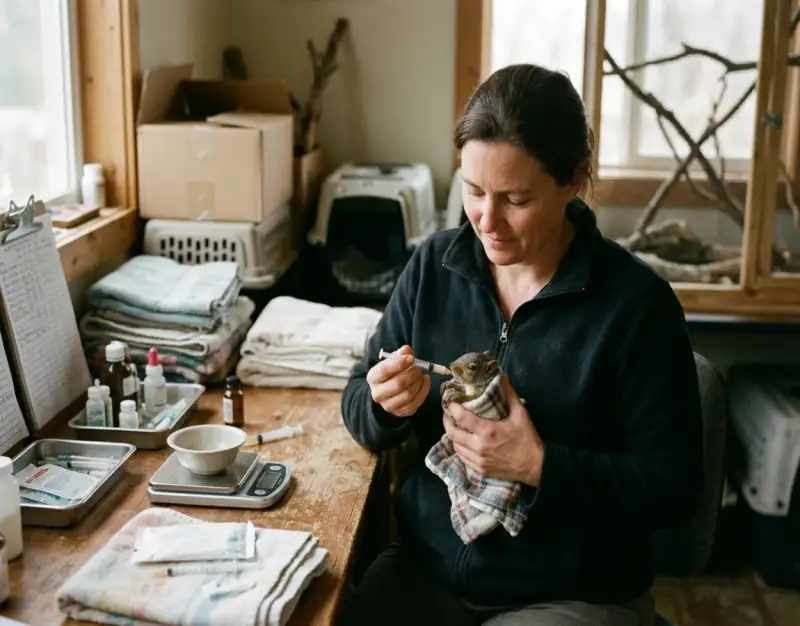
The damp chill of dawn cuts through the heavy canvas of a rehabilitation nursery, carrying the sharp, unmistakable chirp of a hungry neonate songbird. Moments later, the rhythmic, high-pitched mewl of an orphaned eastern cottontail echoes from a nearby incubator. For the dedicated practitioners of animal rehabilitation, this pre-dawn symphony is not merely a wake-up call; it is a solemn daily renewal of a relentless, high-stakes commitment. Fostering orphaned wildlife requires an extraordinary convergence of biological literacy, clinical precision, emotional fortitude, and absolute ethical discipline. It is a world far removed from the romanticized, Disney-esque notions of bottle-feeding cute fawns in a living room. Instead, it is an exacting scientific discipline rooted in zoology, veterinary medicine, and behavioral ecology.
In recent years, the landscape of wildlife rescue and rehabilitation has undergone a profound transformation. Driven by accelerating habitat fragmentation, climate-induced natural disasters, and expanding suburban interfaces, licensed wildlife rehabilitators face an unprecedented influx of displaced, injured, and orphaned native species. Concurrently, public awareness and compassion have surged. Individuals across the globe are increasingly eager to participate in nature conservation and ecological stewardship. However, this surge in public interest brings a double-edged sword: well-intentioned citizens frequently attempt to intervene without formal training, inadvertently kidnapping healthy wildlife or subjecting fragile neonates to improper diets and fatal husbandry errors. Navigating this modern reality demands a comprehensive, standardized approach to fostering wildlife that bridges the gap between compassionate rescue and rigorous scientific protocol.
The core thesis of this guide is straightforward yet uncompromising: successful fostering of orphaned wildlife is never about human gratification or turning a wild creature into a domestic pet. True wildlife rescue is a masterclass in controlled detachment, mimicking natural maternal care while systematically preserving the innate wildness of every patient. Whether you are an aspiring volunteer looking to support an established facility or an apprentice preparing for state and federal licensing examinations, this exhaustive blueprint will walk you through every critical phase of the journey. From species-specific nutritional requirements and biosecurity protocols to developmental milestones and soft-release methodologies, we will explore what it truly takes to raise baby animals and return them safely to their rightful place in the wild.
Foundational Principles and Mechanics of Wildlife Rehabilitation
Before any milk formula is warmed or any incubator temperature is adjusted, an aspiring wildlife foster parent must master the foundational terminology and legal frameworks that govern the field. Wildlife rehabilitation is not a casual hobby; it is a heavily regulated branch of applied conservation science. In almost every jurisdiction, native wildlife is protected by strict state, provincial, and federal laws. Possessing migratory birds, native mammals, or protected reptiles without specific permits is illegal. These laws exist not to gatekeep compassion, but to safeguard animal welfare and public health. Zoonotic diseases—such as rabies, avian influenza, raccoon roundworm, and leptospirosis—pose legitimate risks to human handlers and domestic pets, making strict biosecurity and legal compliance non-negotiable pillars of the craft.
At the mechanical heart of wildlife rescue is the concept of developmental stages and physiological vulnerability. Neonates—animals that are entirely hairless or featherless, with closed eyes and ears—possess zero capacity for thermoregulation. Their survival hinges on absolute environmental control, precise thermal gradients, and round-the-clock hydration and feeding schedules. As these infants transition to altricial or precocial juvenile stages, the mechanical focus shifts from basic metabolic maintenance to behavioral imprinting prevention and complex dietary diversification. Understanding whether a species is altricial (born helpless, blind, and dependent, like songbirds and mice) or precocial (born mobile, eyes open, and relatively independent, like waterfowl and certain ungulates) dictates the entire architecture of the care plan.
Furthermore, the overarching mechanics of wildlife rehabilitation are inextricably linked to broader environmental health and biodiversity protection. When we rescue and rehabilitate an orphaned raptor, a litter of foxes, or a cluster of box turtles, we are actively repairing the frayed edges of local ecosystems. Just as Healing Through Art: How Community Mural Projects Are Transforming High-Crime Neighborhoods demonstrates the powerful ripple effects of community revitalization, every successful wildlife rehabilitation effort reinforces the ecological resilience of our natural landscapes. Every animal returned to the wild fulfills a vital trophic role, contributing to seed dispersal, prey-predator balance, and natural pest control.
Preparation, Intake, and Triage Protocols
Establishing a Biosecure Quarantine and Nursery Infrastructure
The first critical step in accepting orphaned wildlife is the establishment of a dedicated, isolated intake and quarantine facility. This space must be physically separated from residential living areas, domestic pets, and other wildlife patients to prevent cross-contamination of pathogens. Walls and floors must be non-porous and easily sanitized using veterinary-grade, broad-spectrum disinfectants. Air handling should be carefully managed to minimize airborne pathogen transmission between species rooms, especially when housing both avian and mammalian neonates.
Within this quarantine zone, infrastructure must be tailored to specific taxonomic groups. Mammal nurseries require quiet, low-traffic environments free from human voices and household noises that can habituate young animals to human presence. Avian rooms need specialized lighting that mimics natural photoperiods, alongside secure caging constructed from materials that prevent feather damage and beak trauma. Every incubator, brooder, and cage must undergo rigorous cleaning and sterilization cycles between occupants, ensuring that the nursery acts as a sanctuary of healing rather than a reservoir of infection.
Executing Comprehensive Physical Triage and Medical Assessment
When an orphaned animal arrives at the facility, it undergoes an immediate, systematic triage assessment. The primary objective is to evaluate immediate life-threatening conditions: severe dehydration, hypothermia, respiratory distress, and traumatic injuries resulting from cat attacks, vehicle strikes, or tree felling. A dehydrated neonate cannot digest food; attempting to feed a cold or dehydrated baby animal is one of the leading causes of fatal gut stasis and aspiration pneumonia in rescue settings.
Following stabilization, the foster parent or staff veterinarian conducts a thorough head-to-toe physical examination. This includes checking for ectoparasites (fleas, ticks, flystrike larvae), assessing body condition score, listening to lung and heart sounds, and checking for fractures or neurological deficits. Detailed intake records are initiated immediately, documenting the exact rescue location, finder information, estimated age, weight in grams, presenting clinical signs, and initial treatment protocols. This meticulous record-keeping is vital for regulatory compliance and epidemiological tracking.
Hydration Management and Nutritional Stabilization
Once an orphan is warmed to its species-specific thermoneutral zone, the immediate nutritional priority is the restoration of electrolyte balance and hydration. Neonates cannot tolerate plain water, which can cause dangerous electrolyte imbalances (hyponatremia). Instead, rehabilitators utilize specialized warm isotonic electrolyte solutions, administered drop-by-drop via syringe or specialized feeding tubes depending on the species and developmental stage.
Only after several successful hydration cycles—verified by skin turgor, mucous membrane moisture, and normal urination—does the introduction of species-specific milk replacer or solid food begin. The transition must be gradual, carefully monitoring digestive tolerance, fecal consistency, and weight gain. Sudden dietary shifts or incorrect formula dilutions will invariably trigger severe enteritis, bloat, or fatal metabolic bone disease, underscoring the necessity of strict adherence to established wildlife nutritional formularies.
Species-Specific Husbandry and Nutritional Science
Raising Altricial Songbirds and Corvids
Fostering orphaned songbirds and corvids is an exercise in relentless temporal discipline. During peak breeding season, altricial hatchlings demand feeding intervals ranging from every 15 to 30 minutes during daylight hours. The nutritional profile must precisely match the insectivorous, granivorous, or frugivorous needs of the specific species. For insectivorous songbirds like robins, bluebirds, and swallows, diets often incorporate specialized commercial insectivore diets, high-grade cat food slurries, and gut-loaded live insects dusted with precise calcium and vitamin supplements.
Environmental management for young birds requires careful transition from heated brooders to feather-softening artificial nests, and eventually to outdoor flight conditioning aviaries. Throughout this progression, auditory imprinting must be strictly avoided. Rehabilitators must never speak or play human music near developing songbirds. Instead, recordings of adult conspecific songs are often played to ensure the juveniles learn appropriate territorial and mating vocalizations essential for wild survival.
Rehabilitating Small Mammals: Squirrels, Rabbits, and Opossums
Small mammals present unique physiological and behavioral challenges for the wildlife foster parent. Eastern gray squirrels, cottontail rabbits, and Virginia opossums each require completely different milk formulas, housing requirements, and weaning timelines. For instance, commercial cow’s milk is entirely toxic to wild mammals; specialized formulas such as Esbilach or Fox Valley formulas are meticulously mixed to mirror the fat and protein ratios of natural maternal milk.
Eastern cottontail rabbits are notoriously fragile in captivity, highly susceptible to stress-induced myopathy and fatal gastrointestinal shut-down. They require quiet, dark housing, minimal handling, and a rapid transition to native forages like dandelion greens, clover, and timothy hay. Virginia opossums, as North America’s only marsupial, have a unique developmental arc where young transition from attachment to a faux pouch to independent foraging on a varied diet of insects, vegetables, and lean proteins.
Hand-Rearing Carnivores and Medium-Sized Mammals
Fostering medium-sized mammals such as raccoons, foxes, and bobcats demands the highest level of biosafety and behavioral caution. These intelligent predators are exceptionally adept at forming strong bonds with humans if proper protocols are not maintained. Socialization with humans is the ultimate failure in wildlife rehabilitation; a habituated raccoon or fox cannot be released into the wild because it will approach humans, leading to inevitable conflict, nuisance removal, or euthanasia.
To prevent human habituation, foster parents caring for carnivores must wear specialized disguise gear—such as hooded coveralls that mask human silhouette and scent—and enforce strict no-talk policies during feeding and cleaning. Furthermore, these animals must be housed in peer groups whenever possible. Conspecific interaction teaches social hierarchy, bite inhibition, and natural behaviors far better than any human handler ever could, ensuring the young predators develop a healthy fear and avoidance of human beings.
Behavioral Enrichment and Anti-Habituation Strategies
The Psychology of Wildness: Preventing Human Imprinting
Imprinting is a critical, irreversible form of learning that occurs during a brief, genetically determined window early in an animal's life. When an orphaned bird or mammal imprints on a human, it permanently identifies humans as its parents or peers. Such animals will never integrate into wild populations, will fail to recognize potential mates of their own species, and will aggressively or submissively seek human contact upon release. Preventing this psychological disaster is the single most important responsibility of any wildlife foster parent.
Mitigating imprinting requires total environmental immersion in wildness. Wildlife rehabilitators employ silent-feeding techniques, use taxidermy mounts or specialized nursery puppets for feeding neonates when appropriate, and eliminate all household sounds, televisions, and domestic pets from the vicinity of the nursery. As animals grow, housing is modified to provide natural obstacles, changing visual stimuli, and zero face-to-face interaction with human caregivers. The goal is simple: make humans utterly invisible and irrelevant to the developing animal's mental landscape.
Designing Cognitive and Physical Enrichment Programs
Physical growth without cognitive stimulation produces an animal that is biologically mature yet psychologically handicapped. Captive-raised wildlife require sophisticated enrichment programs designed to stimulate natural foraging instincts, problem-solving skills, and physical agility. For instance, insectivorous birds can be given puzzle feeders containing live, moving insects hidden beneath leaves and bark. Squirrels are provided with whole pinecones, walnuts in hard shells, and complex climbing structures made of natural branches and hanging vines.
Enrichment must also prepare animals for environmental challenges they will face in the wild. Introducing novel scents (such as the urine of potential predators or the aroma of various wild plants) helps activate innate predator-avoidance behaviors. Water enrichment—such as shallow wading pools for raccoons or birdbaths for fledglings—encourages natural bathing, waterproofing, and aquatic foraging skills that are essential for post-release survival.
Group Dynamics and Socialization in Captivity
Nature rarely raises animals in isolation. Social species—from songbirds and corvids to squirrels, raccoons, and canids—require the company of their own kind to develop normal psychological resilience and social competence. Single-animal orphans (often called "singleton" rescues) present a severe behavioral challenge, as isolation in early life frequently leads to chronic anxiety, hyper-aggression, or abnormal stereotyped behaviors.
Ethical wildlife facilities actively network with regional rescue partners to transfer singletons into established peer groups of similar age and species. Watching young animals wrestle, groom, communicate, and establish social boundaries provides profound insight into the perfection of natural design. This peer-to-peer interaction builds the self-confidence and group cohesion necessary for successful integration into wild populations upon release.
The Art and Science of Soft Release and Post-Release Monitoring
The culmination of months of exhausting labor, sleepless nights, and clinical vigilance is the release process. There are two primary methodologies in wildlife rehabilitation: hard release and soft release. Hard release involves transporting animals to a suitable wild habitat and opening the transport crate, allowing them immediate freedom. While appropriate for certain mature, highly adaptable species, hard release can be catastrophic for young, captive-raised orphans that lack local geographical knowledge or immediate access to food and shelter.
Consequently, professional rehabilitators overwhelmingly rely on soft-release methodologies. A soft release involves moving juveniles to an outdoor acclimation enclosure (hacking aviary or pre-release pen) located at the intended release site. The animals spend several weeks or months in this enclosure, experiencing natural weather, seasonal shifts, and local predator presence while remaining safely protected. During this time, supplemental food and water are provided. When the enclosure doors are finally opened, the animals are free to explore, but they retain the option to return to the safety of the enclosure for food and shelter until they are fully self-sufficient.
Furthermore, supporting wild populations extends beyond direct individual rescue; it requires large-scale ecological awareness and preservation of natural habitats. Just as Voices of the Amazon: The Indigenous Leaders Protecting the Earth's Green Lungs highlights the vital role of traditional guardians in preserving complex ecosystems, successful wildlife rehabilitation must ultimately connect back to environmental conservation. Releasing rehabilitated animals into degraded, fragmented landscapes without adequate food webs and protective cover is an exercise in futility. Rehabilitators must work in tandem with land trusts, conservation biologists, and local communities to ensure that release sites offer robust, protected, and thriving natural habitats.
Post-release monitoring provides invaluable feedback on the efficacy of rehabilitation protocols. While tracking every individual songbird is impossible, larger mammals and raptors are frequently tracked using VHF telemetry, passive integrated transponder (PIT) tags, or colored leg bands. Monitoring allows rehabilitators to evaluate post-release survival rates, dispersal patterns, and home-range establishment, continuously refining husbandry practices to ensure the highest possible welfare and conservation outcomes for future wildlife patients.
Real-World Case Studies & Scenarios
Examining concrete real-world scenarios illustrates the profound difference between rigorous scientific rehabilitation and well-intentioned amateur mistakes. Consider two contrasting cases of orphaned raccoon rescue handled during the spring breeding season.
Case Study A: The Amateur Intervention (The Pitfalls of Well-Intentions)
In Scenario A, a suburban homeowner finds a litter of three infant raccoons in their attic after trimming trees. Assuming the mother has abandoned them, the homeowner takes the kits inside, places them in a cardboard box with a fleece blanket, and feeds them warm cow's milk from a human baby bottle every few hours. Within four days, the kits develop severe diarrhea, abdominal distension, and lethargy. One kit dies from aspiration pneumonia during feeding.
When the surviving two kits are finally surrendered to a licensed wildlife center, they are severely dehydrated, suffering from metabolic bone disease due to calcium deficiency in the cow's milk, and—worst of all—completely habituated to humans. They cry incessantly when they hear human voices and eagerly climb onto human hands. Because these raccoons have lost their natural fear of humans and suffer from developmental bone deformities, they cannot be successfully released into the wild. They are deemed non-releasable and face a tragic fate of lifelong captivity or euthanasia.
Case Study B: The Professional Rehabilitation Protocol (Success in Action)
In Scenario B, a property owner discovers an infant raccoon displaced by a storm. Recognizing the legal and biological hazards, the owner contacts a licensed wildlife rescue hotline without handling the kits. A trained transport volunteer retrieves the animals using heavy leather gloves and a secure carrier, minimizing human scent and visual contact.
Upon intake, the kits are triaged: weighed, checked for parasites, warmed in an ICU incubator, and stabilized with warm electrolyte solutions. Once hydrated, they are transitioned to a specialized commercial milk replacer (Fox Valley 30/50) administered via species-appropriate feeding techniques. They are immediately housed with four other orphaned raccoons of similar age in a quiet nursery where caregivers wear scent-disguise garments and enforce absolute silence.
As the kits mature, they are moved to a large outdoor pre-release enclosure featuring natural trees, climbing structures, and live enrichment challenges. Human contact is reduced to zero. At five months of age, the enclosure pop-hole is opened for a soft release. The raccoons gradually transition to independent foraging over a three-week supplementation period before fully dispersing into the surrounding protected forest. Post-release camera trap monitoring confirms the raccoons have successfully integrated into the wild population, exhibiting normal predator avoidance and foraging behavior.
Critical Mistakes and How to Avoid Them
The path of wildlife rehabilitation is fraught with potential pitfalls. Even experienced practitioners must remain vigilant against complacency. Here are the top five most costly mistakes made in wildlife fostering and the exact countermeasures required to prevent them.
- Attempting to Feed Dehydrated or Cold Neonates: The Mistake: Immediate formula feeding upon intake without assessing core body temperature or hydration status. The Countermeasure: Always stabilize core temperature using warm incubators and administer warm electrolyte solutions before introducing any milk replacer or solid food to prevent fatal gut stasis and aspiration.
-
Using Human Foods or Incorrect Milk Replacers: The Mistake: Feeding cow's milk, goat's milk, or puppy/kitten formula to wild wildlife species. The Countermeasure: Strictly adhere to peer-reviewed wildlife nutritional formularies, utilizing specialized marsupial, carnivore, or rodent milk replacers tailored to the specific fat, protein, and carbohydrate ratios of the target species.
Furthermore, community health initiatives—much like Mobile Dental Clinics: Bringing Free Healthcare and Smiles to Underserved Rural Towns—demonstrate the immense value of specialized, professional care delivered directly to those in need. In wildlife rescue, specialized nutritional care is equally vital to prevent systemic failure and ensure long-term viability.
- Allowing Human Imprinting and Habituation: The Mistake: Cuddling, talking to, or allowing pets and visitors near developing wildlife orphans. The Countermeasure: Enforce strict anti-habituation protocols: use scent-disguise apparel, eliminate human vocalizations in nursery areas, house animals in peer groups, and maintain zero face-to-face interaction.
- Skipping Quarantine and Biosecurity Protocols: The Mistake: Introducing new rescues directly into existing animal housing without isolation or parasite screening. The Countermeasure: Maintain a rigorous, separate quarantine intake facility, perform thorough fecal and external parasite examinations, and utilize strict sanitation and personal protective equipment protocols.
- Executing Premature or Hard Releases: The Mistake: Opening transport crates and releasing young, unconditioned animals directly into unfamiliar habitats without soft-release acclimation. The Countermeasure: Utilize pre-release hacking enclosures, ensure animals demonstrate advanced foraging and predator-avoidance skills, and provide post-release food supplementation during the critical adaptation window.
Comprehensive Comparison Table
To assist aspiring rehabilitators and volunteers in understanding the vast divergence in husbandry requirements across taxonomic groups, the following semantic comparison table outlines key parameters for major wildlife categories:
| Taxonomic Group | Primary Feeding Frequency (Neonatal) | Critical Nutritional Requirement | Primary Behavioral Risk | Release Methodology |
|---|---|---|---|---|
| Altricial Songbirds | Every 15–30 minutes (Daylight) | Insectivore diet / Calcium-dusted insects | Auditory / Visual Imprinting | Soft release via hacking aviaries |
| Small Rodents (Squirrels) | Every 3–4 hours (Round-the-clock) | Specialized rodent milk replacer (Fox Valley) | Human habituation / Biting | Pre-release outdoor conditioning cage |
| Lagomorphs (Rabbits) | Every 8–12 hours (Low handling) | High-fiber milk / Fresh native forages | Stress-induced capture myopathy | Hard/Soft release in native meadow |
| Carnivores (Raccoons/Foxes) | Every 4–6 hours (Strictly managed) | Carnivore milk replacer transitioning to raw meat/prey | Loss of fear of humans / Dangerous maturity | Prolonged soft release in secure forest enclosure |
Frequently Asked Questions (FAQ)
What should I do if I find what appears to be an orphaned baby animal outdoors?
Your first and most important action is to pause, observe from a distance, and resist the urge to immediately pick up the animal. Many wild animal parents—especially birds, rabbits, and deer—intentionally leave their young hidden and unattended for long periods while they forage for food. For example, mother cottontail rabbits visit their nests only twice a day to nurse for a few minutes. Check for signs of genuine distress: is the animal injured, covered in flystrike larvae, cold, or crying continuously for hours? If the animal is feathered, fully mobile, or safely hidden, it is likely a fledgling practicing survival skills or a well-tended infant. Always contact a licensed wildlife rehabilitator before intervening.
Can I legally keep a wild animal as a pet if I successfully raise it from an infant?
No. In virtually all jurisdictions, it is strictly illegal to keep native wildlife as personal pets, regardless of how they were acquired or raised. Wild animals possess complex behavioral, psychological, and physiological needs that cannot be met in a domestic household. Furthermore, as wild animals mature into adulthood, their natural instincts—such as territorial aggression, hunting drives, and defensive biting—inevitably emerge, posing severe safety risks to humans and domestic pets. Licensed rehabilitators operate under strict state and federal permits specifically mandated to return these animals to the wild where they belong.
How do wildlife rehabilitators prevent baby animals from becoming dependent on humans?
Rehabilitators employ a comprehensive suite of anti-habituation and psychological safeguards known as "wilding" protocols. These include eliminating all human speech and domestic noises from nursery areas, wearing specialized scent-disguise coveralls and masks to mask human appearance, feeding neonates without direct eye contact, and housing animals in large peer groups of their own species rather than in isolation. By ensuring that conspecifics (animals of the same species) provide social cues, body language, and behavioral boundaries, young animals retain their natural fear of humans and learn how to interact with their own kind.
What is the difference between a hard release and a soft release?
A hard release involves transporting a rehabilitated animal to a suitable wild habitat and releasing it directly from a transport crate into the environment without further support. This method is generally reserved for mature, highly adaptable species or adult animals recovering from short-term injuries. A soft release, by contrast, utilizes an outdoor acclimation enclosure (hacking pen) located at the release site. Animals spend weeks inside this pen experiencing natural weather and predators while receiving supplemental food and water. When the enclosure is opened, they can explore at their own pace and return for food until they are fully self-sufficient.
How is wildlife rehabilitation funded and supported?
The vast majority of wildlife rehabilitation centers operate as non-profit organizations, charitable sanctuaries, or independent home-based operations run by dedicated volunteers. Unlike domestic animal shelters, wildlife rehabilitators rarely receive consistent municipal or government funding. Instead, they rely heavily on private donations, grants, community fundraising, and out-of-pocket contributions from the rehabilitators themselves. Supporting local wildlife rescues through financial donations, volunteerism, or donations of specialized supplies (such as formula, incubators, and medical equipment) is essential to sustaining these critical conservation efforts.
Strategic Roadmap and Final Takeaway
As we look toward the next two to five years, the field of wildlife rehabilitation and animal rescue stands at a crucial crossroads. Rapidly expanding urban sprawl, intensifying climate change events, and habitat loss guarantee that the volume of displaced and orphaned wildlife will continue to rise. Concurrently, advancements in veterinary medicine, telemedicine diagnostics, and genetic tracking are elevating the scientific rigor of rehabilitation facilities worldwide. The future demands a professionalized, highly collaborative network of rehabilitators, conservation biologists, and educated communities working in seamless harmony.
The ultimate takeaway for anyone drawn to the compassionate world of fostering orphaned wildlife is clear: true kindness to nature is measured not by our desire to hold and cuddle wild creatures, but by our dedication to keeping them truly wild. By respecting legal frameworks, mastering species-specific husbandry, eliminating human imprinting, and executing meticulous soft-release protocols, we do more than save an individual animal. We act as stewards of biological diversity, restoring balance to our natural world one resilient, rehabilitated soul at a time.
Be the first to share a gentle reflection on this story.