
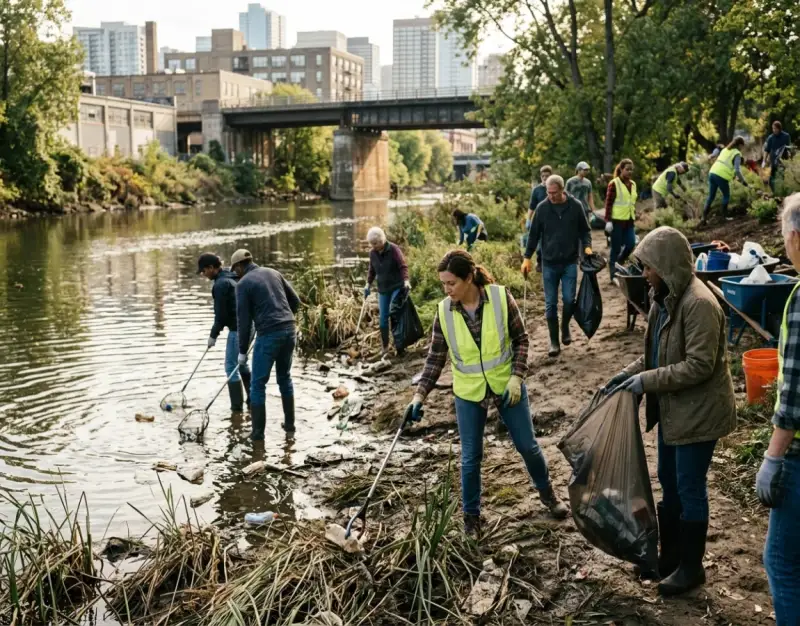
For decades, the rapid industrialization of modern cities treated vital waterways as nothing more than convenient conduits for waste, relegating magnificent urban rivers to concrete-lined drainage ditches and forgotten industrial corridors. Today, however, a profound paradigm shift is sweeping across metropolitan landscapes worldwide. At the epicenter of this renaissance are passionate social change agents who refuse to accept the ecological degradation of their local environments. Armed with little more than raw determination, boots, trash grabbers, and an unwavering commitment to civic stewardship, these everyday heroes are leading the charge in reclaiming, restoring, and revitalizing urban waterways.
The transformation of these aquatic ecosystems represents much more than a simple aesthetic cleanup; it is a complex intersection of river conservation, community mobilization, and systemic environmental justice. As metropolitan populations densify, the psychological and ecological necessity of healthy urban nature becomes acutely apparent. When citizens band together to pull discarded plastics, tires, and industrial debris from muddy riverbanks, they are not merely clearing physical refuse. They are actively rewriting the relationship between urban populations and the natural world, proving that localized action can reverse decades of municipal neglect and ecological atrophy.
At 'Caring Connections', we have long documented the incredible ways ordinary individuals spark extraordinary movements—from initiatives highlighting Global Goodness: The Incredible Story of the Library That Travels by Donkey to medical outreach and grassroots welfare networks. The story of urban river revitalization follows this exact same blueprint of compassionate, community-driven empowerment. This comprehensive guide explores the mechanics, strategies, real-world case studies, and strategic blueprints necessary to understand, support, and replicate these vital grassroots movements in your own backyard.
Foundational Principles and Mechanics of Urban River Restoration
Understanding Urban Ecology and Watershed Dynamics
To truly grasp the impact of grassroots clean-up crews, one must first understand the fragile nature of urban ecology. Unlike pristine rural streams, urban rivers face relentless pressures from stormwater runoff, impermeable surfaces, heat island effects, and historical industrial pollution. Rainwater falling on asphalt cannot soak into the earth; instead, it rushes rapidly into storm drains, carrying motor oil, heavy metals, litter, and chemical fertilizers directly into local waterways. This relentless influx destabilizes riverbanks, erodes shorelines, and chokes aquatic life of essential oxygen.
Grassroots clean-up crews act as the frontline defense against these systemic stressors. By physically removing debris that would otherwise break down into hazardous microplastics, these volunteers prevent immediate toxins from leaching into the water column. More importantly, these localized interventions create vital educational touchpoints where urban residents can witness firsthand the interconnectedness of city streets and downstream ecosystems. Understanding this watershed dynamic transforms passive city dwellers into active defenders of their local aquatic habitats.
The Psychology and Sociology of Collective Environmental Action
Environmental degradation in urban settings frequently mirrors socioeconomic disparities. Historically, heavy industrial zones and neglected waterways have been disproportionately sited near low-income neighborhoods and communities of color, creating profound environmental injustice. Consequently, grassroots clean-up movements are inherently sociological enterprises. They require deep cultural competency, trust-building, and equitable engagement strategies that empower the populations most directly impacted by ecological blight.
When community organizers mobilize volunteers for a river restoration project, they tap into powerful psychological drivers: a shared sense of place, the therapeutic benefits of working outdoors, and the tangible gratification of seeing immediate physical transformation. This collective efficacy builds social capital, fostering resilient neighborhoods capable of tackling broader systemic challenges far beyond water quality. In many ways, restoring a river is a powerful exercise in community self-healing and civic empowerment.
Step-by-Step Strategic Blueprint for Grassroots River Initiatives
Phase 1: Coalition Building and Stakeholder Mapping
No grassroots clean-up crew succeeds in isolation. The foundational step of any sustainable river revitalization initiative requires mapping local stakeholders, identifying community leaders, and forging strategic partnerships. Organizers must look beyond immediate volunteers to engage local businesses, municipal sanitation departments, watershed councils, and academic institutions equipped to test water quality.
Establishing open lines of communication with local government agencies is particularly critical to ensure legal compliance, secure necessary permits for working on public lands, and arrange for the municipal pickup and disposal of collected waste. Building these bridges early transforms potential bureaucratic adversaries into supportive institutional allies, paving the way for long-term project longevity and funding opportunities.
Phase 2: Site Assessment, Safety Protocols, and Logistics
Before boots ever hit the muddy banks, a thorough reconnaissance and safety assessment of the target river zone must be conducted. Organizers should meticulously document access points, hazardous debris zones (such as sharp metal, medical waste, or unstable concrete slabs), and potential swift-water risks. Safety must remain the absolute highest priority during every single operational phase.
Operational logistics require precise planning down to the smallest detail. Teams need an adequate supply of heavy-duty gloves, grabber tools, waders, high-visibility vests, first-aid kits, and clearly designated staging areas for trash sorting. Furthermore, organizers must establish robust protocols for handling hazardous materials, ensuring that volunteers—especially children—never handle dangerous biohazards or heavy industrial chemicals.
Phase 3: Mobilization, Execution, and Data Collection
Executing a successful clean-up event requires vibrant marketing, clear communication, and an energetic, welcoming atmosphere on the day of the event. Leveraging social media, local community boards, and hyper-local outreach ensures a diverse turnout of volunteers spanning different age groups and backgrounds. Briefings should be engaging, emphasizing safety rules while inspiring participants with the broader ecological mission.
Modern grassroots movements have evolved beyond simple trash collection to incorporate rigorous citizen science. Volunteers are increasingly trained to categorize and log the types of debris collected—using standardized applications to track single-use plastics, styrofoam, aluminum cans, and discarded textiles. This crowd-sourced data provides invaluable empirical evidence that advocacy groups can present to city councils to lobby for stricter plastic bans, improved storm drain filters, and enhanced municipal waste management.
Real-World Case Studies and Scenarios
Case Study A: The Anacostia River Restoration Success
Consider the remarkable transformation of the Anacostia River, historically dubbed one of the most polluted waterways in the United States. For decades, urban runoff, sewage overflows, and mountains of discarded tires plagued its watershed. The turning point arrived when diverse coalitions of grassroots organizations, community scientists, and neighborhood advocates united under a shared vision of ecological restoration.
By organizing hundreds of targeted weekend clean-up events, these change agents removed tens of thousands of tons of trash from the river and its tributaries. Crucially, they paired physical clean-ups with relentless policy advocacy, leading to the installation of trash traps at key urban outfalls and stricter regional stormwater regulations. Today, native fish populations are returning, bald eagles nest along its banks, and the river is slowly being reconnected to the communities that once turned their backs on it.
Case Study B: Navigating Failure – The Pitfalls of Uncoordinated Activism
Conversely, examining uncoordinated grassroots efforts reveals critical lessons in what not to do. In a mid-sized Midwestern city, a passionate group of independent volunteers organized a massive riverbank clean-up without consulting municipal authorities or ecological experts. While they successfully filled dozens of contractor bags with trash, they inadvertently trampled fragile springtime nesting grounds for native migratory birds and left heavy bags of refuse piled haphazardly near the shoreline, where a sudden rainstorm washed half of them back into the current.
The lesson learned from this misstep was unequivocal: enthusiasm without ecological guidance and logistical follow-through can cause more harm than good. Modern grassroots movements must balance passionate direct action with scientific literacy, careful planning, and respect for natural seasonal rhythms.
Critical Mistakes to Avoid in Grassroots River Conservation
- Neglecting Municipal and Regulatory Compliance: Operating without proper permits or coordination with local public works departments can result in fines, halted events, and strained relationships with civic authorities. Always secure formal approvals.
- Underestimating Safety Hazards: Urban rivers frequently harbor unseen biological and physical dangers. Failing to conduct thorough site inspections or neglecting mandatory personal protective equipment (PPE) exposes volunteers to severe liability and injury.
- Ignoring Data and Documentation: Simply hauling away trash without cataloging its composition misses a massive opportunity for systemic change. Collecting data empowers advocates to push for upstream legislative solutions.
- Failing to Engage the Immediate Community: Organizing clean-ups without consulting or involving the residents who live directly adjacent to the river often breeds distrust. True revitalization must be culturally inclusive and community-led.
- Treating Clean-ups as One-Off Events: A single afternoon of trash collection yields temporary relief. Without sustained, recurring maintenance and watershed education, the river will quickly relapse into pollution.
Comprehensive Comparison Table: Traditional vs. Grassroots Approaches
| Strategic Dimension | Top-Down Municipal Approach | Grassroots Community Approach |
|---|---|---|
| Primary Driver | Regulatory compliance and civil engineering | Civic passion, environmental justice, and community care |
| Community Engagement | Low; typically limited to mandatory public comment periods | High; direct, hands-on volunteer participation |
| Speed of Mobilization | Slow; bound by bureaucratic red tape and budget cycles | Rapid; agile execution driven by dedicated volunteers |
| Educational Impact | Minimal public behavioral shift | Profound; fosters long-term environmental stewardship |
Frequently Asked Questions About Urban River Restoration
How do grassroots clean-up crews legally dispose of heavy or hazardous items found in rivers?
Grassroots organizations must coordinate directly with municipal waste management or sanitation departments well in advance of any clean-up event. While volunteers can easily bag light plastics and aluminum, items like abandoned shopping carts, automotive batteries, tires, and large appliances require pre-arranged municipal pickup. Many city sanitation departments enthusiastically support volunteer clean-ups by providing designated drop-off dumpsters or dispatching trucks to collect piled debris immediately following the event.
What role does citizen science play in modern river conservation?
Citizen science bridges the gap between hands-on activism and macro-level environmental policy. When volunteers record the specific brands, materials, and quantities of trash they pull from a river, they generate robust datasets that academic researchers and environmental lawyers utilize. This empirical evidence is instrumental in passing extended producer responsibility laws, banning single-use plastics, and holding corporate polluters legally accountable for watershed degradation.
How can residents start their own river clean-up crew from scratch?
Starting a local clean-up initiative begins with simple observation and small-scale action. Walk your local riverfront, identify heavily polluted hotspots, and connect with just a handful of like-minded neighbors or community members. Reach out to local watershed associations for mentorship, secure the necessary municipal permissions, design a simple safety protocol, and launch your first Saturday morning pilot clean-up. Remember that every monumental movement starts with a single, dedicated group of determined individuals.
How does urban river restoration tie into broader social change movements?
Just as Collaborative Welfare: Uniting Churches, Mosques, and Synagogues for a Interfaith Food Drive demonstrates the power of community unity, urban river restoration unites diverse populations around a shared, life-sustaining resource. Waterways do not recognize neighborhood boundaries or socioeconomic divides. Revitalizing an urban river frequently catalyzes broader advocacy campaigns addressing systemic issues such as environmental racism, equitable access to green spaces, and sustainable urban planning.
Strategic Roadmap and Final Takeaway
As we look toward the next two to five years, the role of grassroots clean-up crews and social change agents in shaping urban ecology will only grow in urgency and significance. Climate change is intensifying severe weather events and stormwater surges, making the natural buffering capacity of healthy urban rivers more critical than ever. The future of metropolitan resilience depends heavily on decentralizing environmental stewardship, empowering everyday citizens to take direct ownership of their local ecosystems.
Whether you are an experienced community organizer, an urban planner, or simply a concerned resident looking to make a tangible difference, the path forward is clear. Educate yourself on your local watershed, connect with existing advocacy networks, prioritize safety and scientific rigor, and take action. By restoring our urban rivers, we do more than clean up our waterways—we revitalize the beating heart of our cities and forge a sustainable, interconnected future for generations to come.
Be the first to share a gentle reflection on this story.