
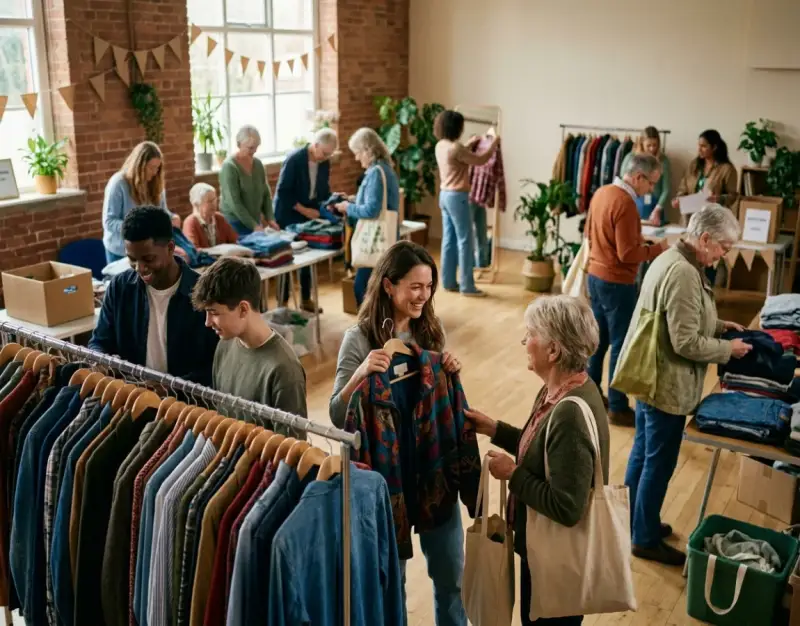
Every year, the global fashion industry produces over 100 billion garments, with an estimated 92 million tons ending up in landfills. Driven by ultra-fast fashion algorithms, relentless social media micro-trends, and cheap synthetic textiles, modern consumption has severed our relationship with the clothes we wear. Garments that once took months to spin, weave, and tailor are now purchased on a whim, worn fewer than seven times on average, and discarded into linear waste streams. This accelerated cycle not only drains finite planetary resources—consuming trillions of liters of fresh water and emitting billions of metric tons of greenhouse gases—but it also fosters deep social isolation. Shopping has shifted from a tactile, communal experience in local markets to a solitary, dopamine-driven scrolling session on a glowing screen late at night.
Yet, an quiet revolution is taking root in neighborhood centers, school gymnasiums, backyard gardens, and municipal libraries across the globe. Community clothing swaps have emerged as a powerful counter-movement against hyper-consumerism. Far beyond a simple yard sale or thrift haul, a well-organized swap transforms local citizens from passive consumers into active stewards of a shared circular economy. By creating a physical marketplace where currency is replaced by generosity, community members can refresh their wardrobes, reduce their ecological footprint, and rebuild the social fabric of their neighborhoods.
This comprehensive publication serves as your tactical master guide to planning, executing, and scaling an inclusive, zero-waste community clothing swap. Whether you are an experienced activist aiming to divert tons of textiles from local landfills or a neighbor seeking to foster connection on your block, this guide provides the operational frameworks, spatial design blueprints, risk mitigation strategies, and metrics needed to turn excess garments into a movement of radical kindness and sustainability.
Foundational Principles & Mechanics of Circular Fashion Swaps
To execute a high-impact clothing swap, organizers must understand the economic and sociological mechanics that govern shared-resource events. At its core, a community clothing swap relies on the principle of Wardrobe Displacement: the idea that acquiring a pre-loved garment directly offsets the demand for a newly manufactured alternative, effectively preventing the resource extraction (water, oil, pesticides) associated with new production. When managed effectively, swaps democratize access to high-quality, durable garments regardless of an individual's socioeconomic standing.
Understanding key operational terminology is essential for designing an equitable framework:
- Garment Circulation Efficiency (GCE): The percentage of total items brought to the event that successfully find a new owner during the swap, rather than entering post-event recycling or donation streams. High-performing swaps achieve a GCE of 70% to 85%.
- Tokenization vs. Open Inventory: Tokenization assigns currency (tickets, tokens, points) based on the quantity or appraised value of items donated, regulating how many items a participant can take. Open inventory operates on an unregulated, bring-what-you-can, take-what-you-need philosophy.
- Upstream Quality Control: The practice of vetting and sorting garments at the point of entry to ensure all circulating items are clean, functional, and wearable, maintaining the dignity and aesthetic appeal of the event.
- Size-Equitability Index: The strategic distribution of garment sizes across the display space to ensure participants of all body types have equal access to desirable, stylish options.
Hosting a zero-waste event requires addressing the ethical lifecycle of textiles. A clothing swap is not a substitute for a municipal dump; it is a curated exchange platform. When organizers establish clear standards and intentional systems, they prevent the common pitfall of turning a community gathering into a chaotic dumping ground. By focusing on quality, dignity, and accessibility, your event creates a blueprint for broader zero-waste community projects.
Phase 1: Conceptualization, Venue Selection, and Governance
Choosing the Ideal Swap Model: Ticketed, Tokenized, or Free-for-All
The first structural decision is selecting an operational model that aligns with your community’s values, technical capacity, and venue constraints. The three primary models each offer distinct advantages and trade-offs. The Token-Based Model awards points or physical tokens for every acceptable item a guest brings during check-in. One garment yields one token, which can then be redeemed for one new garment inside the swap floor. This system prevents hoarding, ensures fairness, and encourages high-volume donations, though it requires dedicated check-in staff and tracking software or physical tokens.
The Category-Tiered Model refines tokenization by classifying garments into tiers (e.g., Tier 1: Outerwear/Designer; Tier 2: Everyday Tops/Bottoms; Tier 3: Accessories). Participants exchange high-value items for equivalent tokens, maintaining perceived equity for premium goods. Conversely, the Unrestricted Free-for-All Model eliminates tokens entirely, allowing guests to take as much as they need. While this model lowers operational friction and maximizes inclusivity, it demands active spatial management to prevent aggressive hoarding and ensure later arrivals still find quality options.
Securing Inclusive, Accessible Venues and Logistics
Selecting the right location determines the accessibility, atmosphere, and safety of your event. Look for venues with open floor plans, strong natural lighting, step-free access, wide doorways for strollers and wheelchairs, and proximity to public transportation. Ideal locations include community centers, church halls, union spaces, public library auditoriums, public parks with covered pavilions, or neighborhood school gymnasiums. Ensure the facility offers sufficient electrical outlets for steamers, accessible restrooms, and ample parking or bicycle racks.
Logistical planning requires evaluating floor load capacities, fire code occupancy limits, and table/clothing rack availability. If your venue lacks built-in fixtures, arrange to borrow or rent rolling garment racks, full-length mirrors, folding tables, and portable fitting room dividers. Always secure necessary municipal permits or venue insurance policies early in the planning process to protect your organizing team against liability.
Phase 2: Marketing, Community Outreach, and Inclusive Messaging
Targeting Diverse Demographics to Maximize Size and Style Inclusivity
A clothing swap succeeds or fails based on the diversity of its inventory. If marketing reaches only one narrow demographic, the available sizes and styles will reflect that limitation, alienating community members who wear larger sizes or require specific garment types (such as professional wear, adaptive clothing, or maternity wear). Craft your outreach strategy around explicit size-inclusive messaging, welcoming participants of all ages, genders, abilities, and body shapes.
Actively engage local community groups, body-positive advocates, senior centers, LGBTQ+ organizations, and multicultural hubs. Ensure marketing collateral explicitly states: "All sizes welcome (XS to 5XL+), with dedicated racks for plus-size, gender-neutral, and specialized garments." Encourage participants who wear larger sizes to drop off their donations early or pre-register, ensuring robust inventory across all categories when doors open.
Leveraging Grassroots Micro-Campaigns and Local Media
Combine digital tools with analog outreach to reach a broad community audience. Create shareable digital assets, high-resolution flyers, and video reels explaining how the swap works, what to bring, and what to leave at home. Partner with local eco-friendly businesses, neighborhood coffee shops, and independent bookstores to display QR-code flyers that lead to digital registration pages.
Issue press releases to local newspapers, community radio stations, and neighborhood blogs. Frame your event around compelling story hooks: local action against global textile waste, cost-of-living relief through shared economies, or building neighborhood resilience. Combining artistic expression with community gatherings is a proven way to deepen local engagement. For example, organizers can draw inspiration from events like Uplifting Communities: The Power of 'Porch Fest' in Bringing Neighbors Together Through Music to see how shared cultural platforms can bring diverse neighbors together for a common purpose.
Phase 3: Curation, Quality Control, and Intake Mechanics
Establishing Strict Standards Without Fostering Elitism
Quality control is essential for maintaining dignity and trust at your event. A clear intake policy ensures that every garment on the swap floor is ready to wear, preventing guests from taking home items that require repairs they cannot perform. Define your acceptance criteria using the "Friend Test": Would you comfortably pass this item along to a close friend?
Acceptable items should be clean, freshly laundered, free of stains, odors, pet hair, holes, broken zippers, or missing buttons. Clearly list unaccepted items in your promotional materials, including heavily worn undergarments, stained athletic gear, corporate-branded promotional tees, and dirty shoes. To maintain kindness during check-in, frame rejected items gently: "This piece has a bit of wear that doesn't fit our swap parameters today, but we can help you route it to an upcycling station or textile recycling partner."
The Intake and Sorting System: Tokenization vs. Direct Drop-Off
Streamline the check-in process by setting up a dedicated intake area outside or near the entrance of the main swap room. This creates a functional buffer zone, preventing overcrowding on the main floor and allowing volunteers time to inspect, count, and sort garments efficiently.
| Intake Protocol Step | Primary Objective | Operational Requirement | Volunteer Roles Needed |
|---|---|---|---|
| 1. Greeting & Logging | Welcome guest, record contact info, count total items brought. | Tally sheets, digital check-in tablets, entry wristbands. | Greeters, Registration Clerks |
| 2. Inspection & Curation | Screen garments for cleanliness, damage, stains, and functional integrity. | Well-lit inspection tables, stain pens, lint rollers, rejection bins. | Quality Control Inspectors |
| 3. Token Allocation | Issue tokens, tickets, or currency stamps based on accepted items. | Physical tokens, stamped voucher cards, or tracking app. | Token Distributors |
| 4. Categorization & Sizing | Sort accepted clothing by size, department, and item type. | Color-coded sizing tags, hangers, sorting laundry baskets. | Sorting Logistics Team |
| 5. Floor Runners & Merchandising | Transport sorted items directly to designated venue racks and tables. | Rolling carts, rack dividers, signage stands. | Floor Runners, Merchandisers |
Consider implementing a "Drop-and-Go" window held 24 to 48 hours prior to the event. Early drop-offs give your team time to pre-sort, steam, and hang garments, ensuring that the main room opens with a fully stocked, beautifully displayed inventory on swap day.
Phase 4: Spatial Design, Merchandising, and Event Experience
Transforming Spaces into Boutique Retail Environments
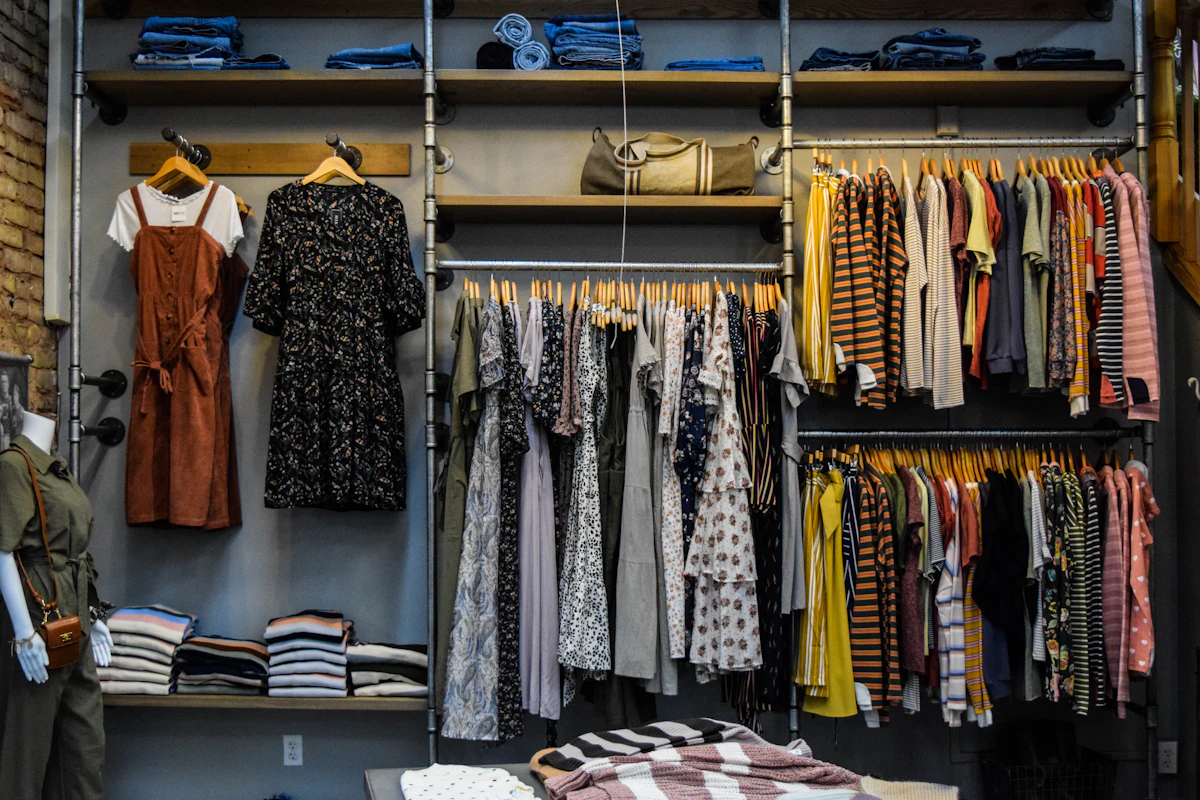
The layout and atmosphere of your swap significantly influence how participants interact with the clothing and one another. Avoid piling clothes into disorganized cardboard boxes or onto floor mats, which can feel uninviting and make finding specific sizes difficult. Instead, design the layout to resemble a high-end boutique or well-organized vintage shop.
Use clear, elevated signage to guide visitors through distinct sections: Tops, Pants, Skirts & Dresses, Outerwear, Plus Sizes (XXL+), Shoes, and Accessories. Organize clothing racks by size using high-contrast divider rings, and arrange tops from light to dark colors. Provide full-length mirrors, cozy seating areas for resting or conversing, background music, and designated pop-up fitting rooms using privacy screens or heavy curtains. These elevated design touches show respect for your guests and frame sustainable fashion as an exciting, high-value experience.
Integrating Community Building and Experiential Elements
Elevate your event by turning it into a vibrant community gathering. Set up an interactive repair cafe or mending station staffed by experienced volunteers or local tailors who can teach attendees basic sewing skills, mend small tears, hem trousers, or reattach buttons on-site. You can also host micro-workshops on natural fabric dyeing, capsule wardrobe styling, or textile care.
Creating welcoming public spaces encourages people to linger, connect, and build lasting friendships. Youth-led leadership models can also be integrated into these events, giving young adults practical organizing experience. Empowering young people through action reflects the principles seen in Social Change Agents: How Student-Led Restorative Justice Is Replacing School Suspensions, demonstrating how youth leadership fosters accountability and builds stronger communities.
Phase 5: Day-of Execution, Volunteer Management, and Accessibility
Mobilizing Volunteer Teams and Strategic Stationing
Smooth operations rely on an engaged, well-briefed volunteer team. Host a 20-minute orientation before doors open to assign roles, explain venue safety procedures, review quality standards, and reinforce a warm, inclusive community culture. Key volunteer roles include:
- Welcome & Check-in Crew: Manages entry lines, tracks registration, explains swap rules, and hands out tokens or tote bags.
- Intake & Quality Control Specialists: Inspects incoming garments, filters out damaged items, and categorizes accepted inventory.
- Floor Merchandisers & Runners: Restocks racks, re-hangs discarded garments from fitting areas, maintains organized size sections, and keeps pathways clear.
- Mending & Upcycling Facilitators: Assists guests with minor repairs, button replacement, and garment alterations.
- Deconstruct & Transport Team: Manages post-event packing, counts leftover inventory, and loads remaining items for donation or recycling partners.
Fostering Restorative and Inclusive Spatial Culture
To ensure a positive atmosphere, maintain clear floor governance. Use polite signage and friendly announcements to remind guests to take only what they will personally wear or gift to family members. If you operate an open-inventory swap, set soft item limits during peak hours (e.g., "Take up to 10 items per round to ensure everyone has a great selection").
Designate quiet spaces or low-sensory shopping hours early in the schedule for neurodivergent guests, elderly individuals, or parents with young children. Ensure aisles are wide enough to accommodate wheelchairs, motorized scooters, and double strollers. Welcoming every neighbor, regardless of background or financial means, builds authentic community trust.
Phase 6: Post-Event Circularity, Data Tracking, and Sustainable Disposal
Ethical Offboarding of Leftover Items
A zero-waste event must have a thoughtful plan for items that remain uncollected at the end of the day. Avoid dropping boxes off at commercial thrift stores, which often export excess inventory overseas or send lower-grade textiles to landfills. Instead, build relationships with local charities, mutual aid funds, women's shelters, refugee support networks, or job training programs.

Route specific categories directly to organizations that need them: business suits to re-entry workforce organizations, winter coats to unhoused community members, and casual wear to youth shelters. You can also channel unique items directly to local artists, street performers, or community musicians who need stage clothing. This targeted support mirrors the grassroots community spirit seen in Kindness in Action: We Bought a Dream Musical Instrument for a Talented Street Musician, showing how direct, thoughtful aid enriches individual lives and builds local culture. Any remaining damaged or unwearable textiles should go to specialized industrial textile recyclers for fiber processing or downcycling into insulation and shop rags.
Measuring Impact: Water, Carbon, and Financial Savings
Quantifying event outcomes validates your effort, energizes volunteers, and provides compelling data for future venue grants or municipal sponsorships. Weighed incoming and outgoing garments allow you to calculate environmental and financial impact using established industry averages:
- Textile Mass Diverted: Total weight of circulated clothing (e.g., 1,200 lbs / 544 kg).
- Embodied Water Savings: Estimated at 2,700 liters of water saved per standard cotton t-shirt diverted from new manufacturing.
- Carbon Offset Equivalent: Estimated at 14 kg CO2-equivalent emissions saved per 1 kg of clothing reused rather than produced new.
- Community Financial Savings: Total items circulated multiplied by an average resale price value ($15–$25 per item).
Publish an infographic summary of these metrics on social media, share it with your local city council, and send a thank-you newsletter to participants. Showing clear environmental results builds momentum for your next event.
Real-World Case Studies & Operational Scenarios
Case Study 1: The Suburban "Tokenized Success" Model
Context: A suburban neighborhood committee hosted a Saturday morning swap at a local community center targeting 300 participants.
Execution Strategy: Organizers adopted a 1-to-1 token ratio and hosted a pre-event drop-off window on Friday evening. Volunteers cataloged, sized, and hung 1,800 garments on rolling racks categorized by department and size (XS through 4XL).
Outcomes: 340 residents attended. The event achieved an 82% Garment Circulation Efficiency rate. 1,476 items found new owners, diverting an estimated 1,100 pounds of textile material, saving roughly 2.1 million liters of embedded water, and generating zero municipal landfill waste. Excess coats and boots were donated directly to a nearby family shelter system.
Case Study 2: The Unregulated "Free-for-All" System Breakdown
Context: A volunteer group hosted an un-ticketed swap in a public park, encouraging attendees to drop off bags and take items freely without intake screening.
Failure Analysis: Without quality inspection tables or sorting systems, participants dumped mixed bags of stained, unwashed, and damaged clothing onto picnic tables. Early arrivals quickly claimed high-value items, leaving chaotic piles of damaged garments for later attendees. The event ended with over 500 pounds of unwearable textiles left behind, forcing organizers to pay out-of-pocket disposal fees at the local waste transfer station.
Key Takeaways: Unregulated swaps require basic structure. Even free-for-all models need mandatory check-in inspection tables, category sorting teams, and established donation pipelines for remaining items.
Top 5 Critical Mistakes and How to Avoid Them
- Inadequate Size Inclusivity:
Mistake: Failing to attract clothing across all size spectrums, leaving plus-size participants with few options.
Countermeasure: Partner directly with plus-size community leaders, dedicate visible display space for sizes 2XL+, and run targeted pre-event collection drives focusing on plus-size fashion. - Neglecting Structural Merchandising:
Mistake: Piling garments into deep, mixed boxes, forcing attendees to rummage through messy piles.
Countermeasure: Source garment racks, sturdy hangers, and shallow table baskets. Organize clothing clearly by category, type, and size to create a pleasant shopping experience. - Lacking a Post-Event Textile Routing Strategy:
Mistake: Leaving remaining garments outside charity donation bins, where they may end up ruined by weather or sent to landfills.
Countermeasure: Secure partnerships with local shelters, community organizations, and industrial fabric recyclers *before* event day to handle 100% of remaining items. - Understaffing the Quality Control Checkpoint:
Mistake: Assigning only one volunteer to inspect incoming clothing, causing long wait times at check-in.
Countermeasure: Station at least 4 to 6 volunteers at intake tables during peak hours, assigning distinct tasks for greeting, inspecting, tallying, and hanging garments. - Failing to Communicate Rules and Expectations Clearly:
Mistake: Leaving entry requirements vague, leading to misunderstandings about item quality, limits, or token usage.
Countermeasure: Publish clear guidelines on your website, social channels, and event entrance boards detailing acceptable item quality, step-by-step procedures, and taking limits.
Comprehensive Model Comparison Framework
| Swap Model Style | Operational Complexity | Target Audience | Size Inclusivity Potential | Volunteer Support Needed | Best Suited Venue |
|---|---|---|---|---|---|
| 1-to-1 Token Exchange | Moderate to High |
Be the first to share a gentle reflection on this story.