
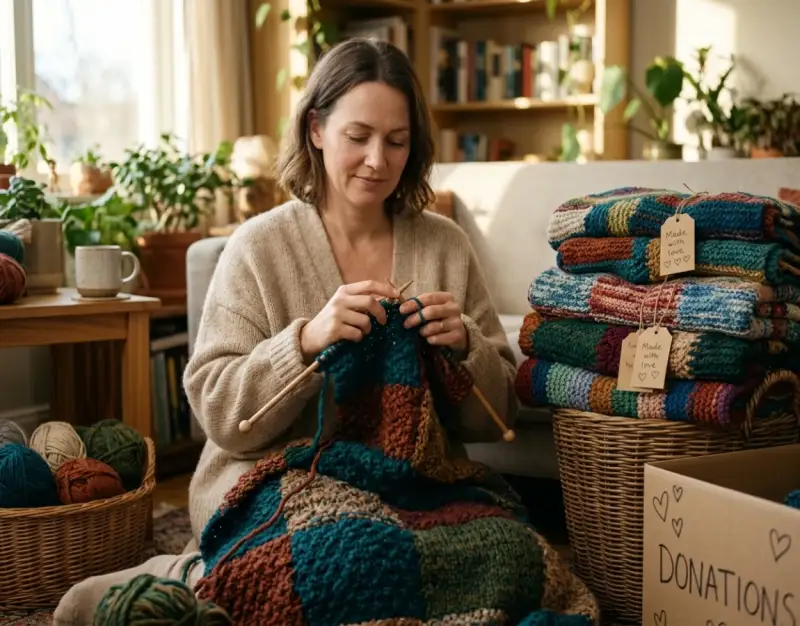
The rhythmic click of wooden or aluminum needles, the tactile friction of wool sliding against skin, and the steady, meditative counting of stitches have become an unexpected sanctuary in an increasingly fragmented digital world. For millions of people navigating the relentless pressures of modern life, chronic stress and generalized anxiety are daily realities. Yet, an ancient domestic art is staging a profound renaissance as a clinical-grade somatic intervention. When that creative focus is redirected toward a benevolent cause—transforming raw yarn into handmade blankets for those in vulnerable circumstances—the psychological transformation is extraordinary. This intersection of intentional creation and altruism creates a powerful therapeutic loop that calms the nervous system while restoring a deep sense of human connection.
Across the globe, contemporary healthcare trends increasingly validate what traditional crafters have intuitively known for generations: working with one's hands is a potent form of self-regulation. In an era dominated by hyper-connectivity, blue-light screens, and information overload, our brains rarely experience true downtime. The modern wellness landscape has consequently shifted toward analog interventions—practices that require physical presence and tactile engagement. While clinical mindfulness often relies on seated meditation, millions find it difficult to quiet an anxious mind through stillness alone. Active meditation through fiber arts provides an external anchor for a racing intellect, occupying the hands and visual field just enough to quiet intrusive thoughts without inducing cognitive fatigue.
What fundamentally changed over the past decade is the recognition of altruism as a primary driver of psychological healing. Prosocial behavior—actions intended to help others—triggers the release of oxytocin, dopamine, and endorphins, collectively known as the "helper's high." When combined with the repetitive motor patterns of craft therapy, knitting for a collective purpose transcends a mere pastime; it becomes a structured vehicle for emotional recovery. By examining the cognitive mechanisms, neurological impacts, and practical execution of charitable fiber arts, this comprehensive guide explores how channeling anxiety into handmade comfort transforms both the maker and the recipient.
Foundational Principles: The Intersection of Craft Therapy and Altruism
The Neurological Basis of Repetitive Motion
To understand why knitting alleviates anxiety, one must examine the neurological mechanisms at play during repetitive motor tasks. When an individual engages in the rhythmic, bilateral movements required to knit—holding needles, looping yarn, transferring stitches—the brain enters a state remarkably similar to that achieved during advanced mindfulness meditation. Functional neuroimaging studies of craft enthusiasts reveal a significant decrease in sympathetic nervous system activity, characterized by lowered heart rates and reduced cortisol production. This somatic soothing occurs because the prefrontal cortex is partially engaged in managing the pattern, leaving little cognitive bandwidth for rumination or catastrophic thinking.
Furthermore, this bilateral coordination stimulates both hemispheres of the brain simultaneously. The sensory cortex lights up in response to the textures and temperatures of the fiber, grounding the practitioner firmly in the present moment. For individuals experiencing acute anxiety or trauma responses, tactile grounding is a recognized clinical strategy to interrupt panic cycles. The predictable, looping nature of stitches offers a micro-structure of safety: every row completed is a tangible proof of order, predictability, and control in a world that often feels chaotic and overwhelming.
The Psychology of Prosocial Creation
While the act of knitting offers intrinsic self-soothing benefits, introducing an altruistic dimension exponentially amplifies its psychological yield. Human beings are fundamentally wired for connection and mutual aid. When an artisan knits a blanket designated for a shelter, a hospital neonatal unit, or an international relief organization, their internal narrative shifts from isolation and self-focus to contribution and community integration. This shift combats the profound loneliness epidemic that underpins much of modern clinical anxiety.
Psychologists note that altruistic acts provide a buffer against chronic stress by fostering a sense of meaning and purpose. When a person facing their own mental health challenges realizes their labor directly alleviates the suffering of another—much like the quiet, systemic impact seen in Community Laundromats Offering Free Wash Days: A Simple Gesture That Means Everything—their personal struggles are reframed. The blanket becomes a physical manifestation of empathy, carrying the knitter's positive intentions across geographical and social divides to someone who desperately needs to feel seen and valued.
Defining Craft Therapy in Clinical Settings
Craft therapy is formally recognized within occupational therapy and expressive arts counseling as a valid modality for treating anxiety, depression, and post-traumatic stress disorder (PTSD). Unlike traditional talk therapy, which requires verbalizing complex emotional states, craft therapy operates on a non-verbal plane. It allows individuals to process difficult emotions through color, texture, and rhythm without the pressure of articulation.
In clinical trials involving patients with chronic illnesses and anxiety disorders, structured knitting programs have demonstrated measurable improvements in emotional regulation. The manageable, incremental nature of stitching teaches patience and acceptance of imperfection. If a mistake is made, it can be unraveled and corrected—a powerful metaphor for cognitive reframing. This therapeutic framework provides a safe container for emotional release, allowing participants to channel restless physical energy into a productive, beautiful end product.
Step-by-Step Strategic Blueprint for Charitable Knitting
Selecting the Right Project and Target Beneficiary
Embarking on a charitable knitting journey requires deliberate planning to ensure your time, financial resources, and emotional energy yield the maximum positive impact. The first strategic step is identifying a charitable organization whose mission resonates deeply with your personal values. Research organizations ranging from local homeless shelters and NICU hospital wards to global humanitarian groups that distribute handmade blankets to refugees or disaster survivors.
Once you select a beneficiary, examine their specific guidelines meticulously. Different organizations have strict requirements regarding fiber content, dimensions, and washing instructions. For instance, hospitals often mandate washable acrylic or superwash wool due to allergy and sterilization concerns, whereas animal shelters or environmental initiatives may accept heavier, rustic wools. Establish a realistic timeline for your project, factoring in your daily schedule and baseline anxiety levels. Crafting should remain a sanctuary, not morph into an obligation that triggers performance anxiety.
- Research 3 to 5 charitable organizations that accept handmade blankets.
- Review their technical guidelines regarding yarn fiber, sizing, and hygiene standards.
- Select a pattern that matches your current skill level to prevent frustration-induced stress.
- Establish a dedicated crafting space that invites calm, relaxation, and focus.
Sourcing Materials Mindfully on a Budget
A sustainable charitable knitting practice requires balancing material quality with cost-effectiveness. Sourcing yarn can become expensive if approached without a strategy. Start by auditing your current stash; many knitters possess a surplus of yarn purchased for abandoned projects. Repurposing these materials not only saves money but also declutters your physical space, contributing further to mental clarity.
When purchasing new yarn for charity, look for economical yet durable synthetic blends or natural fibers that offer tactile pleasure. After all, the therapeutic benefits of knitting depend heavily on how the yarn feels sliding through your fingers. Connect with local yarn shops that offer charity discounts or participate in community destash events. Furthermore, consider collaborating with local businesses, much like the compassionate efforts seen in initiatives that mirror how people organize support networks—such as the community-focused kindness found when Surprise Tuition Grant: The Stranger Who Walked Into a Trade School and Paid Off Every Student's Balance—where collective goodwill magnifies individual impact.
- Audit existing yarn stashes to repurpose forgotten materials.
- Seek out bulk suppliers or mill ends designed for charitable projects.
- Prioritize easy-care, machine-washable fibers to ensure longevity for the recipient.
- Engage with local fiber guilds that pool resources for community donations.
Establishing a Mindful Daily Knitting Routine
To maximize the anxiety-relieving properties of knitting, consistency is far more effective than sporadic marathon crafting sessions. Integrating a dedicated 20-to-30-minute knitting block into your daily routine creates a reliable anchor for nervous system regulation. Choose a time of day when your anxiety typically spikes—such as the transition from a stressful workday to the evening—and designate it as your sacred craft time.
Optimize your physical environment to support mindfulness. Turn off notifications on your phone, sit in a comfortable, supportive chair with proper ergonomics, and perhaps play soft ambient music or natural soundscapes. As you pick up your needles, set a gentle intention for the recipient of the blanket. Focus your breathing so that inhales align with casting on or executing a row, and exhales align with turning your work. This turns a simple craft into an active, grounding meditation.
- Dedicate a fixed 20-minute daily window exclusively for therapeutic knitting.
- Optimize your posture and workspace to prevent physical strain and muscle tension.
- Practice breath awareness, syncing your respiration with your stitch rhythm.
- Set an emotional intention for the eventual recipient before each session begins.
Tracking Progress and Overcoming Creative Blocks
Even the most passionate crafters experience creative fatigue or motivation slumps. When knitting for charity, the sheer scale of producing an entire blanket can occasionally feel daunting, triggering performance anxiety rather than alleviating it. To combat this, break down large projects into micro-milestones. Celebrate the completion of every individual square in a blanket made of blocks, or reward yourself when finishing a specific color section.
If you hit a creative block or experience hand cramping, step away without guilt. Keep a detailed journal of your project progress, noting not just physical dimensions, but your emotional state before and after each session. This reflective practice reinforces the therapeutic value of your work, providing concrete evidence of how the craft actively calms your mind over time.
- Divide large blanket projects into manageable daily or weekly row goals.
- Maintain a craft journal to track both physical progress and emotional well-being.
- Incorporate regular hand and wrist stretches to prevent repetitive strain injuries.
- Allow yourself guilt-free rest days when your mind or body requires a break.
Packaging and Shipping with Intention
The therapeutic journey of making a charitable blanket culminates in its final presentation and delivery. How you package your handmade item can elevate the experience for both you and the recipient. Instead of tossing a finished blanket into a cardboard box, take time to wash, block, and scent it lightly (if permitted by the charity) with a calming essential oil like lavender.
Include a handwritten, anonymous or signed note expressing warmth, solidarity, and care. Knowing that a real person took hours of their life to craft a comforting object specifically for them offers profound emotional validation to someone in crisis. Dropping off the package or mailing it off provides a definitive sense of closure, completing the prosocial feedback loop that began with your very first stitch.
- Wash and block the finished blanket according to the charity's exact specifications.
- Write an encouraging, compassionate note to accompany the donation.
- Package the item securely in protective, moisture-resistant wrapping.
- Reflect on the emotional journey of completion during your final drop-off.
Real-World Case Studies & Scenarios
Scenario A: The Corporate Executive Overcoming Burnout
Marcus, a 42-year-old corporate executive, suffered from severe clinical anxiety and chronic insomnia driven by relentless high-stakes decision-making. Traditional meditation apps failed to hold his hyperactive mind, leaving him frustrated and more anxious. Encouraged by a therapist, Marcus enrolled in a beginner knitting class and committed to knitting a baby blanket every month for a local neonatal intensive care unit.
Initially, Marcus struggled with dropping stitches and tension control, which spiked his perfectionism. However, by reframing mistakes as part of the learning process, he experienced a cognitive breakthrough. The tactile engagement of the wool forced his brain out of executive-function loops. Within three months, Marcus reported a 50% reduction in nocturnal awakenings. Knowing his blankets comforted fragile infants provided a deep sense of purpose that his corporate career lacked. This powerful case mirrors other community-uplift initiatives, such as the rehabilitation and care seen when Rescuing Farm Animals: The Sanctuary Giving Abused Livestock a Lifetime of Safety, where nurturing the vulnerable simultaneously heals the caregiver.
Scenario B: The Pitfalls of Unstructured, Obligation-Driven Crafting
Conversely, Sarah, an avid knitter with generalized anxiety, attempted to tackle a massive, intricate mosaic blanket for a national charity drive with a strict, self-imposed two-week deadline. Lacking a realistic assessment of her time and emotional capacity, Sarah turned her beloved hobby into a high-pressure corporate job.
She began knitting late into the night, ignoring physical hand pain and sleep deprivation. The intricate chart required intense hyper-focus without the soothing, repetitive rhythm she needed. Instead of experiencing anxiety relief, Sarah developed severe carpal tunnel symptoms and acute burnout, ultimately abandoning the project halfway through. This failure taught her critical lessons about scope management, boundary setting, and honoring the therapeutic intent of craft therapy over perfectionistic output.
Critical Mistakes in Charitable Knitting and How to Avoid Them
Mistake 1: Choosing Complex Patterns That Trigger Performance Anxiety
Many well-meaning crafters select advanced lace patterns or intricate colorwork for their first charity projects, believing that "only the best is good enough" for those in need. However, high-complexity projects require constant chart-checking and cognitive strain, which spikes cortisol levels and induces anxiety rather than relieving it.
Countermeasure: Match your pattern difficulty to your current emotional bandwidth. Simple garter stitch, basic stockinette, or meditative seed stitch blankets allow your hands to work automatically while your mind rests and recalibrates.
Mistake 2: Ignoring Charity Guidelines and Material Specifications
Donating handmade items made from luxury, hand-wash-only cashmere or shedding mohair to a homeless shelter or hospital often results in the items being discarded due to hygiene or allergy protocols, devastating the knitter's morale.
Countermeasure: Always contact the recipient organization or review their official website before purchasing yarn. Stick strictly to hypoallergenic, durable, machine-washable synthetic or superwash fibers.
Mistake 3: Overcommitting and Turning a Hobby into a Second Job
Setting unrealistic production quotas (e.g., promising three full-sized blankets a month) strips the joy out of fiber arts, transforming a mindful sanctuary into an overwhelming obligation.
Countermeasure: Adopt a sustainable pace. Prioritize the quality of your mental state during the crafting process over the sheer volume of items produced.
Mistake 4: Neglecting Physical Ergonomics and Hand Care
Rushing through rows without proper posture or hand stretches frequently leads to repetitive strain injuries, tendonitis, and severe carpal tunnel syndrome, abruptly halting your ability to craft.
Countermeasure: Invest in ergonomic needles, maintain supportive seating, and execute mandatory hand and wrist stretches every 20 minutes.
Mistake 5: Working in Isolation Without Community Support
While solitary knitting can be deeply meditative, chronic isolation can sometimes exacerbate underlying feelings of anxiety and depression.
Countermeasure: Join local knitting circles, virtual stitch-alongs, or charity crafting guilds to share the emotional and creative load with like-minded peers.
Comprehensive Comparison Table: Approaches to Craft Therapy
| Approach / Modality | Primary Focus | Anxiety Relief Potential | Community Impact | Skill Level Required |
|---|---|---|---|---|
| Charity Blanket Knitting | Rhythmic handcrafting combined with altruistic donation. | Very High (Somatic soothing + Helper's High) | Direct, tangible support for vulnerable individuals. | Beginner to Advanced |
| Competitive Crafting | Executing flawless techniques for shows or awards. | Low (Often induces perfectionism and performance stress) | Minimal or none. | Intermediate to Expert |
| Mindless Rapid Knitting | Speed-knitting without emotional or charitable intent. | Moderate (Provides physical distraction only) | None. | Beginner to Intermediate |
| Solitary Stash-Busting | Knitting up leftover yarn solely for personal use. | High (Decluttering + creative expression) | Low (Self-contained benefit). | Beginner to Advanced |
Frequently Asked Questions (FAQ)
Can knitting really help lower clinical anxiety?
Yes, clinical research and occupational therapists widely validate that repetitive motor tasks like knitting significantly reduce anxiety symptoms. The bilateral coordination required engages both hemispheres of the brain while occupying the prefrontal cortex, effectively interrupting rumination loops and panic cycles. Furthermore, the tactile stimulation triggers the parasympathetic nervous system, lowering heart rate and blood pressure.
What types of yarn are best for charity blanket projects?
The best yarns for charity blankets are durable, hypoallergenic, and strictly machine-washable. Acrylic blends, superwash wools, and cotton yarns are top choices because recipients—whether in hospitals, shelters, or disaster zones—often lack access to specialized laundering facilities. Always verify the specific fiber guidelines provided by the charity organization before starting your project.
How do I get started if I am an absolute beginner?
Beginners should start with large needles (size 10 US or larger) and bulky-weight, light-colored yarn, which makes individual stitches easy to see. Master the basic knit stitch by creating simple dishcloths or small squares before attempting a full blanket. Numerous free video tutorials and local yarn shops offer beginner-friendly classes designed to build confidence without frustration.
How does charitable knitting differ from regular crafting in terms of mental health?
While regular crafting offers the intrinsic benefits of mindfulness and motor relaxation, adding a charitable dimension introduces prosocial altruism. Knowing that your labor directly benefits someone in need releases oxytocin and dopamine, creating the psychological "helper's high." This shifts the emotional focus outward, combating loneliness and providing a profound sense of purpose.
What should I do if my hands cramp or hurt while knitting?
Hand and wrist pain are clear indicators to stop crafting immediately. To prevent repetitive strain injuries, invest in ergonomic needles with smooth joints, maintain proper posture, and take mandatory breaks every 20 minutes to perform gentle hand, wrist, and finger stretches. Never push through physical pain, as it counteracts the relaxation benefits of craft therapy.
Strategic Roadmap & Final Takeaway
The convergence of craft therapy and charitable giving represents a powerful, accessible antidote to the anxieties of modern life. As we look toward the next two to five years, healthcare providers are increasingly embracing integrative, non-pharmacological interventions like mindful handcrafts to combat rising rates of stress and burnout. By transforming raw yarn into handmade blankets for those in need, practitioners harness the dual power of somatic self-regulation and profound human altruism.
Your strategic next steps are clear: audit your current commitments, select a reputable charitable organization that aligns with your values, source accessible and forgiving materials, and carve out a sacred 20-minute daily window for mindful creation. Embrace the dropped stitches and uneven rows as metaphors for human resilience, and let every loop you cast bring you deeper into a state of calm, purposeful peace.
Be the first to share a gentle reflection on this story.