
As the autumn winds turn biting and the first frost blankets neighborhood lawns, the reality of seasonal vulnerability sets in for thousands of families across our communities. Traditional charity drives have long operated on a transactional, top-down model: boxes of miscellaneous clothing are dropped off at community centers, sorting is done behind closed doors, and items are handed out in hurried lines where recipients must prove their need. While well-intentioned, this historical framework frequently strips individuals of their autonomy, turning an act of basic human solidarity into a humbling experience. At Caring Connections, we believe that true compassion requires us to fundamentally rethink how we distribute resources. Developing effective Kindness in Action: We Surprised a Overworked Nurse With the Ultimate Day of Relaxation teaches us that when we honor a person's dignity, we transform charity into genuine community connection.
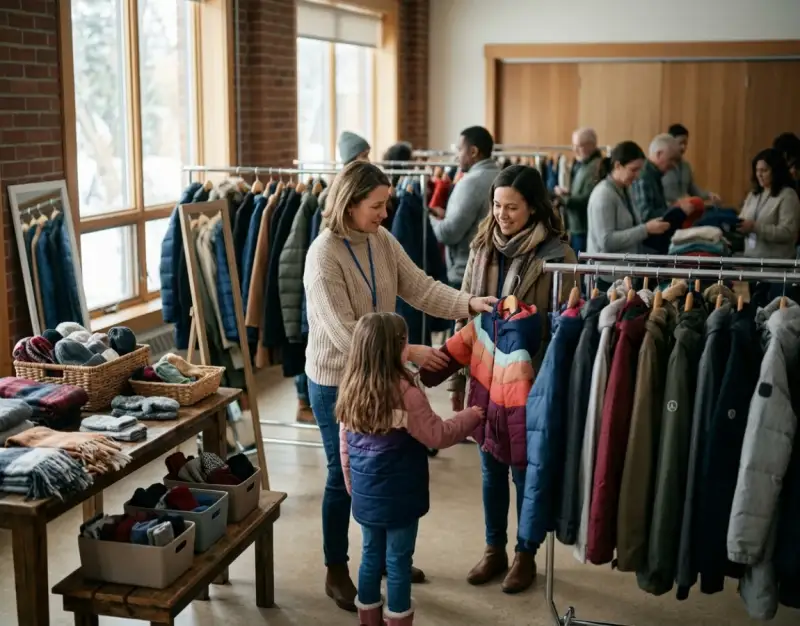
The modern landscape of mutual aid and community organizing demands an evolution. We are moving away from charity models that emphasize the benevolence of the giver over the humanity of the receiver. Organizing a successful winter coat drive is no longer just about gathering as many garments as possible; it is about curating an experience. When we design our outreach efforts around dified giving, we shift the power dynamics of philanthropy. Recipients become shoppers, neighbors become hosts, and a municipal hall or church basement transforms into a warm, inviting boutique where anyone can browse for seasonal outerwear with pride, agency, and absolute self-respect.
This comprehensive blueprint will guide you through every phase of conceptualizing, organizing, and executing a free neighborhood coat drive rooted in respect and equity. Whether you are a seasoned community activist, a neighborhood association leader, or an individual looking to spark meaningful local change, this guide provides the logistical frameworks, psychological insights, and operational checklists needed to pull off an event that truly honors your neighbors. By focusing on meticulous planning, inclusive messaging, and respectful execution, you can build a sustainable model of community outerwear donations that elevates every single participant involved.
Understanding the Philosophy of Dignified Giving
The Psychology Behind Charitable Recipient Experiences
To organize an impactful event, we must first examine the psychological impact of traditional charitable distribution. When individuals are forced to wait in long lines, present proof of poverty, or dig through messy bins of unsorted clothing, they often experience feelings of shame, anxiety, and diminished self-worth. This dynamic creates an artificial barrier between "givers" and "receivers," reinforcing systemic divides. Dignified giving dismantles this barrier by replacing pity with empathy. When we respect a person's dignity, we acknowledge their inherent value and right to choose what they wear, how it fits, and how they acquire it.
Creating a respectful environment involves removing administrative hurdles and social stigmas. There should be no income verification forms, no intrusive questioning, and no judgment. By framing the distribution event as a free neighborhood boutique or a pop-up clothing swap open to all residents, we normalize the sharing of resources. Everyone in a community experiences financial strain at various points in their lives, and opening the event to the general public ensures that anyone who needs a warm coat can walk in without feeling singled out or publicly marked.
Shifting from Pity-Based Outreach to Solidarity-Based Action
Pity-based charity often focuses on the deficit of the recipient—highlighting what they lack and framing them as passive victims waiting for rescue. Solidarity-based action, conversely, focuses on mutual aid, shared humanity, and collective resilience. When planning your neighborhood initiative, evaluate every promotional flyer, social media post, and spoken word for language that honors this solidarity. Avoid savior complexes or sensationalized narratives of poverty that exploit people's vulnerabilities for the sake of donor recruitment.
Instead, frame your outreach around community care and sustainability. Emphasize that winter coats are expensive essential gear that everyone deserves access to, regardless of economic fluctuation. When community members view the coat drive as neighbors supporting neighbors rather than a charity event for "the less fortunate," participation rates soar, stigma vanishes, and the overall atmosphere becomes celebratory and welcoming. This mindset shift is foundational to ensuring long-term success and deep community buy-in.
Core Principles of Ethical and Equitable Community Support
Upholding ethics in community organizing requires adherence to three core principles: autonomy, confidentiality, and quality control. Autonomy means allowing recipients to make their own choices regarding style, color, and size, rather than handing them pre-packaged bags of clothes they had no voice in selecting. Confidentiality ensures that no photographs are taken of recipients without explicit, enthusiastic consent, and that personal information is never collected or tracked.
Quality control is equally critical to dignity. Donating heavily worn, stained, or torn garments under the guise of "beggars can't be choosers" is an affront to human dignity. Every coat displayed at your event should be clean, repaired, and stylish—items you would proudly hand to a close friend or family member. By enforcing strict intake standards, you communicate to recipients that they are worthy of high-quality goods, fundamentally transforming their interaction with the social safety net.
Phase 1: Establishing the Core Team and Partnerships
Building a Diverse and Dedicated Organizing Committee
No successful neighborhood initiative is built by a single person. Your first operational step is to assemble a core organizing committee that reflects the diversity of the neighborhood you aim to serve. Reach out to local faith leaders, neighborhood association board members, local business owners, and residents who have lived experience with housing instability or economic hardship. Diverse perspectives ensure that your logistical planning accounts for cultural nuances, accessibility needs, and optimal scheduling.
Assign specific roles within your committee early. You will need a logistics coordinator to manage venue and transportation, a marketing and outreach lead to handle publicity, a sorting and quality control lead to oversee donations, and a hospitality lead to manage the atmosphere of the event day. Clear delegation prevents burnout and ensures that critical tasks—such as securing permits or renting clothing racks—do not fall through the cracks during the busy weeks leading up to the drive.
Partnering with Local Businesses, Schools, and Faith Communities
To maximize your reach and resource pool, forge strategic partnerships across various sectors of your neighborhood. Local coffee shops, independent bookstores, and community gyms make ideal drop-off locations because they experience steady foot traffic and foster local loyalty. Approach business owners with a clear, professional pitch detailing how hosting a donation bin benefits their community engagement goals and drives foot traffic to their storefronts.
Schools and youth groups are also invaluable partners. Involving students in the collection and sorting process instills lifelong values of empathy and civic responsibility. Similarly, partnering with local houses of worship—regardless of denomination—can provide rent-free, accessible venues that are already trusted gathering spots within the community. Cultivate these relationships months in advance, treating your partners as co-creators rather than mere collection points.
Navigating Logistics: Venues, Permits, and Accessibility
Choosing the right venue can make or break your event. Look for spaces that are centrally located, well-lit, and easily accessible via public transportation. Accessibility is non-negotiable: ensure the venue features step-free entry, automatic doors, wide aisles for strollers and wheelchairs, and accessible restrooms. Community centers, public libraries, and union halls often meet these criteria and are frequently willing to waive fees for non-profit community events.
Check local municipal regulations regarding temporary public gatherings, street closures, or indoor public events. While indoor coat distributions typically do not require extensive permits, checking with your local city council or zoning office ensures compliance with occupancy limits and fire codes. Additionally, plan for weather contingencies if any part of your intake or queuing process takes place outdoors, ensuring tents, heaters, or covered walkways are available if necessary.
Phase 2: Sourcing and Curating Quality Donations
Setting High Standards for Outerwear Quality
The success of a dignified coat drive rests entirely on the condition of the items you distribute. Establish and publish clear donation guidelines so community members understand what is acceptable. Ask for clean coats, jackets, heavy sweaters, scarves, gloves, and winter hats that are free of rips, broken zippers, missing buttons, or stubborn stains. Remind donors of the golden rule: Only donate what you would wear yourself.
To maintain these standards, implement a transparent sorting protocol. When donors drop off items, train your volunteers to inspect each garment respectfully. If an item does not meet your quality thresholds, have a secondary plan in place—such as partnering with a textile recycling facility that repurposes worn-out fabrics—so that nothing goes to waste while keeping your pop-up boutique pristine.
Organizing Efficient Drop-Off Points and Collection Drives
Make the donation process as frictionless as possible for your contributors. Set up branded, highly visible drop-off bins at your partner locations complete with clear signage outlining what items are needed. Provide QR codes on your collection boxes linking to your website or social media page where donors can learn more about your mission of dignified giving or make financial contributions to cover operational costs.
Consider hosting a dedicated "Drive Day" kickoff event where community members can drop off coats while enjoying live music, hot cider, or baked goods provided by local bakeries. This turns the act of giving into a festive community gathering. For donors unable to travel, establish a neighborhood pickup network where volunteers with trucks or cars can collect donations directly from porches upon request.
Cleaning, Repairing, and Sizing Donations Before the Event
Even well-intentioned donations often arrive dusty, wrinkled, or in need of minor repairs. Plan a pre-event "Sorting and Spa Day" with your volunteers. Wash garments that require laundering (in accordance with care labels), mend loose buttons, oil stuck zippers, and steam wrinkles so every coat looks brand new. As you process these items, you can explore broader systemic issues; sometimes, understanding these dynamics mirrors the way Social Change Agents: How Decentralized Networks Are Revolutionizing Disaster Relief transform emergency response through localized empowerment.
Organize all processed items by category, style, and size. Categorize your inventory into men's, women's, teens', children's, and toddlers' sections, and sub-categorize by size (XS to XXL). Utilizing clear, color-coded signage for sizes will make the shopping experience seamless and intuitive for your guests, ensuring they can easily find garments that fit them comfortably without having to ask for assistance.
Phase 3: Designing the "Pop-Up Boutique" Experience
Creating a Welcoming, Retail-Style Layout
Transforming a gymnasium, hall, or community space into a pop-up boutique requires interior design thinking. Ditch the long folding tables where clothes are stacked in chaotic piles. Instead, invest in or borrow rolling clothing racks, department store hangers, and full-length mirrors. Hang coats by size and style just as they would be displayed in a retail store.
Enhance the atmosphere with thoughtful touches: play soft, upbeat background music, set up a welcome desk with fresh coffee and pastries, and arrange comfortable seating areas where shoppers can relax and chat. Ensure the lighting is bright and warm. The goal is to create an environment of abundance, beauty, and respect where shoppers feel pampered and valued rather than patronized.
Implementing Personal Shopper and Volunteer Protocols
Train your volunteers to act as boutique stylists and gracious hosts rather than charity workers or security guards. Volunteers should greet every guest warmly at the entrance, explain how the boutique is organized, and offer their assistance if the guest would like a personal shopper to help them find specific sizes or styles. However, shoppers should always have the freedom to browse independently if they prefer.
Emphasize active listening, warmth, and discretion. Volunteers should never pry into a guest's personal life or financial situation. If a guest asks for assistance, volunteers should respond with enthusiasm and respect. Cultivating this level of empathy requires intentional interpersonal skill-building, much like mastering The Art of Active Listening: How Deep Empathy Can Transform Broken Relationships to build trust and bridge social divides.
Managing Flow, Privacy, and Comfort During the Event
To prevent overcrowding and ensure a calm, relaxed shopping experience, manage the flow of guests using a gentle ticketing or reservation system, or simply welcome guests as capacity allows with a comfortable waiting area equipped with refreshments and children's activities. Avoid lines that snake around the block in the cold weather.
Privacy is paramount. Ensure that fitting areas or private corners are available for guests who wish to try on coats to check the fit. Provide complimentary reusable shopping bags so guests can comfortably carry their newly chosen outerwear home without drawing unwanted attention on public transit or walking down the street. Every detail should protect their privacy and dignity.
Phase 4: Marketing, Outreach, and Community Engagement
Crafting Inclusive and Respectful Promotional Messaging
Your marketing materials set the tone for the entire event. Every flyer, social media graphic, and press release must use inclusive, non-stigmatizing language. Avoid phrases like "handouts for the needy" or "charity for the homeless." Instead, use empowering phrasing such as "Free Neighborhood Coat Boutique," "Share the Warmth Community Swap," or "Neighbors Helping Neighbors Outerwear Distribution."
Ensure your promotional materials are distributed widely across diverse channels—not just in low-income neighborhoods, but throughout the entire community. Place flyers in local coffee shops, libraries, laundromats, and community boards. Use digital neighborhood networks like Nextdoor, local Facebook groups, and Instagram to spread the word. When the event is framed as an open invitation for everyone, participation loses its stigma.
Leveraging Digital Channels and Grassroots Networks
Digital marketing can exponentially increase your reach. Create a dedicated landing page or event page outlining the date, time, location, and what attendees can expect. Use high-quality, professional photographs of your organized racks and smiling volunteers to showcase the beauty and dignity of the event space.
Collaborate with local influencers, neighborhood bloggers, and local news outlets to secure community calendar listings and human-interest stories. When reaching out to the press, emphasize the innovative, dignity-centered model of your event. Frame your story around community resilience and mutual aid to inspire other neighborhoods to replicate your success.
Ensuring Equitable Access Across Vulnerable Populations
To ensure your event reaches those who need it most—including elderly residents, unhoused individuals, immigrant families, and shift workers—tailor your outreach channels. Coordinate with local public schools, senior centers, domestic violence shelters, and mutual aid street teams to distribute invitations directly.
Consider transportation barriers. If your venue is not within walking distance for certain pockets of your neighborhood, partner with local transit advocates or volunteers willing to offer free rides or bus passes. By proactively removing physical, logistical, and social barriers, you ensure that your coat drive truly serves the entire community equitably.
Phase 5: Post-Event Sustainability and Impact Measurement
Managing Leftover Inventory Responsibly
Inevitably, you may have leftover coats at the conclusion of your event. Have a clear, pre-planned strategy for managing this surplus without compromising your standards. Do not dump leftover items on the curbside or leave them in unmonitored drop boxes. Instead, partner with local shelters, transitional housing facilities, school social workers, or rural outreach programs that operate year-round.
If items are worn out or unsellable, ensure they are sent directly to textile recycling facilities rather than landfills. Document where your surplus inventory goes and report back to your donors and volunteers, reinforcing transparency and accountability across your entire operational lifecycle.
Gathering Feedback and Measuring Community Impact
Continuous improvement requires listening to your stakeholders. After the event, distribute brief, anonymous feedback cards or digital surveys to shoppers, volunteers, and partner organizations. Ask meaningful questions: *Did you feel welcomed and respected? Was the venue accessible? How can we improve next year?*
Compile quantitative and qualitative metrics: total number of coats distributed, number of volunteer hours logged, partner organizations involved, and qualitative feedback from guests. Sharing this impact report on your website and social media channels builds immense trust with your donors and lays a solid foundation for future grant funding and community partnerships.
Building Year-Round Mutual Aid Systems
A seasonal coat drive should serve as a springboard for ongoing community resilience. Once you have established a dedicated volunteer base and strong neighborhood partnerships, consider expanding your scope. Transition your initiative into a year-round mutual aid network that addresses seasonal clothing needs throughout the spring, summer, and back-to-school seasons.
Host seasonal clothing swaps, school supply drives, or emergency resource pop-ups. By maintaining momentum year-round, you cement Caring Connections' vision of continuous, dignified community care into the permanent fabric of your neighborhood.
Real-World Case Studies & Scenarios
To illustrate the stark difference between traditional charitable distributions and dignified giving models, let us examine two contrasting scenarios based on real community initiatives.
Scenario A: The Traditional Charity Drive (The Pitfalls)
In a mid-sized Midwestern town, a local civic club organized a traditional winter coat drive. They collected over 500 coats tossed haphazardly into cardboard appliance boxes. On distribution day, recipients were directed to line up outside in 35-degree weather behind a local community center. Volunteers sat behind folding tables, sorting through messy piles of garments as people approached.
Recipients were required to show proof of income and sign a registry. When individuals asked to look for specific sizes, overwhelmed volunteers handed them random pre-packed trash bags, stating, "This is what we have for you." Many recipients left feeling humiliated, exposed, and unseen. Half of the collected coats remained unclaimed because they were stained, outdated, or unwearable, and were ultimately dumped in a municipal dumpster.
Scenario B: The Dignified Pop-Up Boutique (The Triumph)
In contrast, a neighborhood mutual aid group in Portland, Oregon, applied the dignified giving framework outlined in this guide. They spent two weeks steaming, repairing, and organizing 400 high-quality coats by size on rolling racks inside a brightly lit community art gallery. They partnered with local cafes to provide coffee and pastries at a welcoming entrance desk.
There were no lines outside, no income verification forms, and no registration logs. Volunteers dressed in festive aprons greeted shoppers as boutique stylists, offering warm smiles and gentle assistance. Shoppers browsed racks independently, tried on coats in a private corner, and placed their chosen outerwear into branded canvas tote bags. 100% of the curated inventory found loving homes, and post-event surveys revealed a 98% satisfaction rating, with guests praising the warmth, respect, and joy of the experience.
| Operational Metric | Traditional Charity Model | Dignified Pop-Up Boutique Model |
|---|---|---|
| Recipient Experience | Humiliating, transactional, invasive questioning, long outdoor queues. | Empowering, retail-style shopping, zero stigma, warm indoor hospitality. |
| Quality Control | Low standards; stained, torn, or outdated items accepted and piled in boxes. | High standards; inspected, laundered, repaired, and stylish garments only. |
| Privacy & Agency | Forced to accept pre-packed bags of random items without choice. | Full autonomy to select style, color, and size with private fitting options. |
| Community Impact | Reinforces social divides between givers and receivers. | Builds solidarity, mutual aid, and long-term neighborhood cohesion. |
Critical Mistakes and How to Avoid Them
Even well-meaning organizers can fall into common operational traps that undermine the dignity of their recipients. Recognizing these pitfalls allows you to proactively safeguard your event.
- Failing to Enforce Quality Standards: Accepting and displaying damaged or filthy clothing sends a harmful message to recipients that they are unworthy of quality goods. Countermeasure: Establish a strict intake policy and set up a dedicated volunteer sorting and repair day before the event.
- Creating Intrusive Administrative Barriers: Demanding proof of income, identification, or registration forms creates anxiety and alienates vulnerable individuals. Countermeasure: Treat the distribution as an open community event for anyone in need of warmth. Trust your neighbors implicitly.
- Neglecting Accessibility and Venue Comfort: Hosting events in inaccessible buildings with long outdoor waiting lines deters elderly, disabled, and chronically ill community members. Countermeasure: Prioritize step-free venues, indoor waiting areas, and accessible public transit routes.
- Imposing Paternalistic Pity: Using savior mentalities and stigmatizing language in promotional materials exploits poverty for donor engagement. Countermeasure: Adopt solidarity-based messaging that frames the initiative as neighbors supporting neighbors.
- Failing to Plan for Surplus Inventory: Abandoning leftover coats on curbsides or leaving them unmanaged creates neighborhood clutter and disrespects donor intent. Countermeasure: Establish partnerships with local shelters, social workers, and textile recyclers well in advance.
Frequently Asked Questions
How do we handle guests who try to take more than they need?
When operating a dignified boutique, scarcity mindset can occasionally lead individuals to want to stockpile items. The best countermeasure is cultivating an atmosphere of abundance and reassurance. Train your volunteer hosts to gently remind guests that the event is recurring or that there are plenty of coats available for everyone in the neighborhood. Approaching the situation with warmth and understanding rather than policing prevents conflict and preserves mutual respect.
What should we do if we receive an overwhelming amount of low-quality or summer clothing?
Clear marketing and proactive communication are your best defenses against inappropriate donations. However, if unhelpful items arrive, do not display them. Sort them immediately during intake. Redirect summer clothing to appropriate seasonal drives or local thrift partners, and route unwearable textiles directly to industrial recycling facilities. Never allow unusable items to clutter your boutique floor.
How can we fund the operational costs of renting racks, printing flyers, and providing refreshments?
Operational costs can be easily managed through small community grants, local business sponsorships, or modest crowdfunding campaigns. Many local businesses are eager to sponsor community events in exchange for positive brand association on your promotional materials. Additionally, asking volunteers to donate small items like coffee, hangers, or paper goods keeps overhead expenses remarkably low.
Is it appropriate to photograph recipients during the event for our social media?
As a rule of thumb, photographing recipients without explicit, enthusiastic consent violates their privacy and dignity. If you wish to capture the atmosphere of the event, focus your photography on the beautifully arranged racks, smiling volunteers, and general venue aesthetics. If you do wish to photograph a guest, always ask for permission beforehand and ensure they understand where the image will be published.
How can we expand this initiative into other neighborhoods?
Once you have successfully executed your first neighborhood coat drive, document your playbook, supply lists, and operational templates into an open-source toolkit. Share this guide with organizers in neighboring towns, mentor new volunteer groups, and help them adapt the model to their specific cultural and geographic contexts. Decentralized, community-led mutual aid is the most powerful catalyst for systemic social change.
Strategic Roadmap and Final Takeaway
Organizing a free neighborhood coat drive that genuinely dignifies recipients is more than a seasonal logistical project—it is an exercise in radical empathy, community solidarity, and human rights. As we look ahead over the next two to five years, the landscape of community care is shifting definitively away from paternalistic charity toward decentralized, peer-to-peer mutual aid models that prioritize equity, autonomy, and mutual respect.
Your next steps are clear: begin by assembling a diverse organizing committee, forge partnerships with local businesses and venues, and establish rigorous quality standards for your donations. Transform your distribution space into a welcoming pop-up boutique where every guest feels seen, valued, and celebrated. By doing so, you will not only keep your neighbors warm through the biting winter months, but you will also weave stronger, more compassionate social bonds that enrich your entire community for years to come.
Be the first to share a gentle reflection on this story.